Federal Firefighters from Naval Base San Diego, Naval Base Coronado and nearby Naval Weapons Station Seal Beach provided critical robotic support to civilian first responders during a recent major chemical incident at a civilian industrial facility.
The incident in Garden Grove, California over the Memorial Day weekend involved the evacuation of over 50,000 local residents after a chemical storage tank at a private aerospace company overheated and began venting toxic and highly flammable chemicals.
Following requests for support from the Environmental Protection Agency and the Orange County Fire Authority, Navy Fire and Emergency Services personnel arrived May 23 with Johnny-5, a Thermite RS-1 firefighting robot.
“The robot’s initial mission was to provide decontamination support for hazardous materials entry teams operating in the hot zone,” said Naval Weapons Station Seal Beach Fire Chief Matt Rios, the robot division lead for the event. “Once we arrived, we ended up taking on more responsibilities as the situation developed.”
Rios, along with robot team entry lead Assistant Fire Chief Anthony Glorioso from Naval Base Coronado and robot operator Firefighter David Gyselbrecht from Naval Base San Diego, had their work cut out for them.
“The robot made entry on May 24 and remained downrange within the hot zone until the 27th,” said Rios. “We were able to support our civilian partners with decontamination activities as well as reconnaissance, remote fire suppression and air sampling.”
“The system employed LIDAR mapping technology to deliver real-time data to the incident command team, supporting operational decision making in coordination with both the EPA and the local fire agency,” added Glorioso.
The team departed May 27, following successful first responder efforts to neutralize the chemical threat and end community evacuation orders.
“This incident demonstrated the strength of regional and local partnerships and the importance of agencies coming together to support one another during high-risk operations,” said Rios. “Through teamwork, shared resources, and coordinated response efforts, we were able to better protect our responders, our communities, and the public we serve every day.”
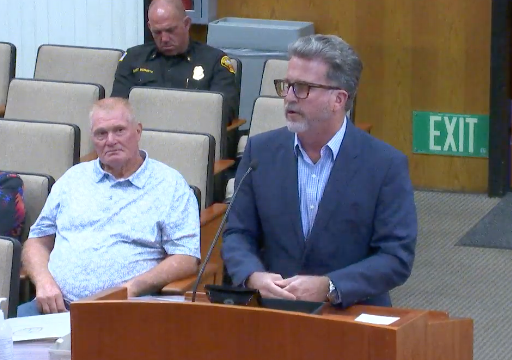
The Orange County Board of Supervisors met in special session on Friday to hear firsthand testimony on the recent incident in Garden Grove that has put many residents, especially those directly affected by the incident, into a tizzy.
Three residents showed up Friday to give the board their impression of how the incident was handled.
One local resident, Dawn Thomas, questioned the decision to continue the evacuation long after officials reportedly discovered the cracked tank.
“Never should the incident have gone outside the first range,” she said, meaning the evacuation zone. “I can’t even imagine that the people working with this product would not know what the impact would be,” she told the Supervisors.
Orange County Fire Authority Chief T.J. McGovern gave no apologies for the evacuation, giving the Supervisors a frank assessment of what they found upon arrival.
“We had three major events going,” he told the board, “the first one was a potential for a massive explosion that we referred to as a Boiling Liquid Expanding Vapor Explosion (BLEVE), that’s because the chemical was a in a compressed cylinder building pressure,” he said.
“The second concern we had was the fire problem or a smaller explosion, and the last one was a catastrophic spill, so we had to mitigate the BLEVE,” he said. “Our biggest concern was this substance is in a liquid form, it goes through a polymerization state, and it becomes a solid,” McGovern told the board.
“But what occurred was that the cooling mechanism failed, for what reasons we don’t know,” he said. “The temperature was increasing, so we had an unstable temperature increasing, and when you have pressurization with a liquid increasing temperatures, that is a recipe for a BLEVE, so we had to look at evacuation zones,” McGovern said.
Specialists, on scene, “showed us the (potential) blast radius,” he added.
“When we got there, the plant project manager said ‘there’s nothing we can do. It’s either going to have a major explosion or a catastrophic spill and there’s no other situations we can do,’” he testified.
“As first responders, firefighters and police officers, that was not acceptable to us,” said McGovern, giving the Supervisors a point by point revisitation of the actions they took and why they did so.
County health officer Dr. Regina Chinsio Kwong, who was on-site at the incident command post, said the potential of a BLEVE did cause significant concern to health officials.
“During the first initial days when we learned about this chemical and the potential for it to vaporize or for a BLEVE to occur, where then the vapors would go into the air, we are really concerned because MMA (methyl methacrylate) is highly flammable and toxic that when it vaporizes and you get in contact with it, it causes a lot of irritation to your skin your eyes and especially the respiratory tract,” she said.
“And while it is an inconvenience as a physician and looking over the health of Orange County, the last thing I want is to be responsible for people losing their lives over something that could have been prevented,” she said,
“So yes, I was part of the incident command that made the decision to support expansion of the evacuation zone as soon as we found out that there were only two potential outcomes,” said Dr. Kwong.
“Time was ticking and we needed to make decisions fast,” she said.
Supervisor Vince Sarmiento said there will be time in the future to perform a more thorough “autopsy” on the actions taken yet acknowledged the concerns of residents “who probably didn’t expect to spend their Memorial Day weekend the way they did, so we certainly ask for their grace.”
“I also had the opportunity to visit some of those evacuation centers,” he said, “and there were people who were not only physically stressed but emotionally stressed.”
“When you go through a moment like this you really don’t know what to expect, so you know as I kept saying you plan for the worst but you hope for the best so I think that’s the approach everybody took to try to be as careful as possible in an abundance of caution because we could be having a much different conversation right now if things would have gone wrong,” said Sarmiento.
The Supervisor said that there is “little doubt” that we can improve, however, “I think the collaboration that was shared was remarkable to see.”
He thanked Board Chairman Doug Chaffee for so quicky signing an emergency declaration.
Supervisor Don Wagner had high praise for everyone involved.
“We evacuated a city,” Wagner said. “Nobody was injured. Nobody died. This was done under the threat of a potentially imminent explosion. There was no looting.”
He paused and repeated. “No looting. In an emergency that displaced 50,000 people over Memorial Day weekend, including people who left everything behind and had no idea when they’d return, there was no looting,” he said.
“If the tank explodes,” he said, “then we’ve got a multi-block radius of damage — what these crews did was just absolutely remarkable.”
Supervisor Katrina Foley urged GKN to get a claims process “up and running” as soon as possible. “We know from the experience of the oil spill that the faster they get the claims process up, they’re going to save a lot of money because look, there’s a lot of attorneys circling the wagons right now.”
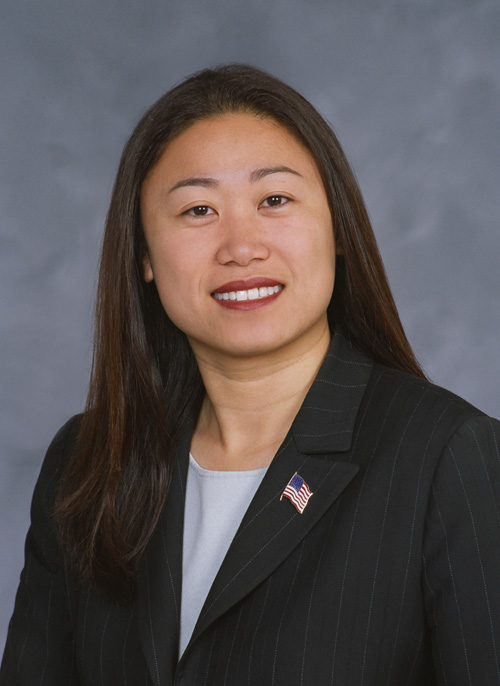
Supervisor Janet Nguyen, in whose representative district the Garden Grove incident occurred, and who virtually camped out at the incident command center, first thanked key agencies from air monitors to transportation whose personnel stepped in and handled many side issues caused by the incident.
“They showed up,” she said, “and did the heavy lifting.”
She thanked her district staff, who had worked “the entire weekend,” and even her sons, whom she said, “helped put up beds.” County officials quickly approved shower facilities, knowing they cost tens of thousands of dollars per day, she said, while internet companies showed up to provide wi-fi and charging stations for the shelters.
Within 30 minutes of a phone call to the Governor’s Office, Bolsa Chica State Park was opened for RVs, said Nguyen.
“I’ve never been behind the scenes on stuff like this,” she said. “I would never wish to be,” said Nguyen, “but to see it — it’s amazing what we, as Orange County, can do when we come together.”
Chaffee said at some point, “This whole thing will be subject to intense investigation.” Various processes will be set up, he suggested, for residents to be reimbursed for hotel bills and other costs.
The Board Chairman asked County Emergency Operations Center executive Michelle Anderson about the process by which various government entities will be reimbursed for their costs.
All of the local agencies and jurisdictions have internet access to a Council EOC portal, said Anderson, and she has asked that they use the system to input their incident expenditures by June 3.
With the county, state and federal emergency declarations, Anderson said the county will seek Federal Emergency Management Agency (FEMA) reimbursement for up to 75% off emergency response costs only. Individuals displaced from their homes, businesses shut down by the evacuation order, workers who lost a week’s income: their claims would go to the responsible party, she said.
Although it was not discussed during the meeting, other communities like the City of Cypress have set up their own fund to assist evacuees (see related story).
The Cypress Chamber of Commerce will welcome Financial Coaching professional Van Do as our guest speaker at our June Networking Breakfast. The event will be held Tuesday, June 9th at the Residence Inn by Marriott at 4931 Katella Avenue, Cypress/Los Alamitos starting at 7:30 a.m. Van Do is the founder of Self-Reliant Financial Independence, a financial coaching practice dedicated to helping individuals and families take control of their financial future with clarity, confidence, and purpose.
At the June breakfast, Van will discuss why starting early in your career matters — and why it’s never too late to begin — common retirement vehicles such as 401(k)s, SEP IRAs, and Solo 401(k)s, the long term value of employer matching contributions, and the current contribution guidelines for 2026. Attendees will leave with practical knowledge and greater confidence to take meaningful steps toward long-term financial security.
Since launching his business, Van Do has helped dozens of clients move from financial uncertainty to financial confidence by creating customized roadmaps designed around their goals and values. His approach combines education, accountability, and real-world strategy to make financial literacy accessible and actionable for small business owners and their team members. Van is also the host of the podcast A Word About Wealth, where he shares insights, practical tips, and candid conversations designed to demystify money and inspire listeners to build wealth intentionally and sustainably.
Each Chamber breakfast attendee will also have an opportunity to stand to introduce themselves and share a little about their business before the program begins.
Reservations are highly recommended and can be made online. Cost of the breakfast is $25.00. Attendees are also encouraged to bring a door prize to promote their product or service. The program will include time for live networking, self-introductions, a breakfast buffet, as well as our guest speaker’s presentation.
To assure your seat, pre-register on the chamber website: cypresschamber.org
After receiving hundreds of applications from talented and hardworking amateur athletes from across the nation, the Amateur Athletic Union (AAU) is proud to announce 10 recipients of the 2026 AAU National Scholarship. AAU awarded scholarships to five female and five male athletes valued at $10,000 each. These scholarships are awarded directly to the recipient’s college/university.
The AAU is committed to providing opportunities to develop athletes both on and off the playing surface. The winners of this year’s scholarships are truly the complete athlete, excelling not only on the field, but also as students in the classroom and as model citizens in their community. Join us in celebrating our 10 winners, said spokesperson Troy MacNeill.
He said volleyball and basketball athlete Michael Komer, from Los Alamitos High School, was among the ten national winners announced this week.
Michael has competed in AAU Volleyball and AAU Basketball since the 7th grade, building a true love for sports. Throughout his youth, he has competed in numerous AAU tournaments across the nation for both sports. Since joining the AAU Volleyball club, Pinnacle, Michael has participated in the AAU Volleyball Junior Nationals in Orlando each summer, and he is looking forward to his final trip to the tournament this year. In November, Michael helped lead his team to a 3rd place finish in Chicago in the AAU Chi-Town Challenge for boys’ volleyball. Michael Komer will attend Golden West Community College.
More than 550 graduates and family members rolled through Rossmoor as over 1,200 residents lined the streets to celebrate one of the community’s favorite traditions, according to organizer Jo Shade.
Families waved signs, rang cowbells, snapped photos, and offered congratulations as the procession passed by during the May 30th event.
Elected officials and community officials gather for the Senior Parade in Rossmoor on May 23.
This year’s parade featured 131 decorated vehicles carrying 554 graduates and family members along Rossmoor’s five-mile parade route.
Grand Marshal Lina Lumme, of the Youth Center, left. Superintendent of Los Alamitos Unified School District Dr. Andrew Pulver, center, and Jo Shade, Parade Organizer and President of the Rossmoor Community Services District Board of Directors.
Led by Grand Marshal Lina Lumme, Executive Director of The Youth Center, the procession celebrated the achievements of local high school graduates as they prepare to begin the next chapter of their lives.
Photo by Tim De Shazer
Financial Partners Credit Union was the event’s presenting sponsor, RTI Insurance of Seal Beach once again provided the VIP convertibles that carried dignitaries and honored guests along the parade route.
Rossmoor Park once again became a gathering point for the community as hundreds watched the procession pass by before making their way to nearby Rush Park for the first Rotary Graduation Reception hosted by the Rotary Club of Los Alamitos, Cypress & Seal Beach.
The Rossmoor Homeowners Association extends special thanks to the event’s organizing team of Art Remnet, Jo Shade, and Marian Last, whose countless hours of planning and coordination helped bring this year’s parade to life. Courtesy of RHA and “Our Rossmoor.”
Los Alamitos High School recently celebrated one of its most inspiring traditions, the annual Valedictorian Signing Ceremony, honoring ten exceptional members of the Class of 2026 as they officially announced their post-graduation plans.
Modeled after collegiate athletic signing ceremonies, the event recognizes the academic achievements of the school’s highest-performing students and celebrates the next chapter in their educational journeys. Surrounded by proud family members, teachers, counselors, administrators, staff, and friends, each valedictorian signed a commemorative letter representing the college, university, or service opportunity they will pursue after graduation.
The Los Alamitos High School Class of 2026 valedictorians are:
Amelia Jen — Columbia University
Michael Wu — Stanford University
Yara Saadeh — University of California, Berkeley
Violet Murphy — Yale University
Sydney Chung — University of California, Los Angeles
Christian Szymborski — University of California, Berkeley
Spencer Bystrom — One-Year Mission Trip in Porto Alegre, Brazil
Emily Partida — University of California, Los Angeles
Samantha Tran — Dartmouth College
Akshay Verma — Dartmouth College
The ceremony celebrated years of hard work, perseverance, leadership, and academic excellence. As each student announced their future plans, the event served as a powerful reminder of the opportunities that lie ahead for Los Alamitos Unified students. The Class of 2026 valedictorians earned admission to some of the nation’s most prestigious colleges and universities, reflecting both their individual dedication and the strong support of the educators, families, and community members who helped them along the way.
The Board of Education includes Diana D. Hill, Marlys Davidson, Matt Bragman, Chris Forehan, and Farnaz Pardasani. As graduation approaches, the Valedictorian Signing Ceremony stands as a meaningful tradition that celebrates academic achievement and inspires future Griffins to pursue their own goals with determination and purpose.
Who would have thought that, in 1965, a movie about a singing Austrian nun outrunning the Nazis would break box office records in 29 countries, run in theaters for four and a half years, and sell more than 200 million tickets?
The original cast album won the GRAMMY Award, the touring production has performed more than 1,000 times in 224 cities, and the movie won five Academy Awards, including Best Picture.
For all its entertainment value, the story is a complex drama with lessons that are as relevant today as they were the day the movie premiered.
The Sound of Music is deceptively structured. Its first half is pure enchantment in the Swiss Alps, lifted with the unimaginable majesty of Rogers’ and Hammerstein’s last Broadway score, the Captain’s children, and the irresistible pull of two people falling toward each other. Its second half is something altogether different.
Nonetheless, 65 years later, its central story remains compelling enough to make audiences think, but only after they’ve made them feel really good.
Fresh off a stellar performance in a Broadway retrospective of Stephen Sondheim, the very busy Kevin Earley has stepped into the leading role of Captain von Trapp. He spoke with ENE last week and acknowledged the serious undertones of the play.
“A theater can do two things,” said Earley, “it can educate, and it can let you escape. The first half of this musical lets you really do that; it lets you escape, lets you believe in love, believe in hope,” said Earley.
The original story takes place around 1938, when Germany was invading Austria, so the second half of the play is much more serious.
“We talk about hope, we talk about love, and then we talk about courage, the courage to stand up for your convictions in a world that is closing in on them politically and socially,” he said.
Earley knows the story and the role well.
In fact, few people know that “The Sound of Music” launched Earley’s stage career.
Born in Chicago, Earley launched his professional career at 10, portraying Kurt in a production of The Sound of Music at the Marriott Theatre. His mother, Dyanne Earley, was the retired artistic director of Chicago’s Marriott Lincolnshire Theatre.
Earley, far left, and Cayleigh Capaldi, Maria, and the von Trapp kids. Courtesy photo
The man now on-stage playing Captain von Trapp on the national tour once played one of von Trapp’s own children.
His Broadway highlights include Old Friends with Bernadette Peters and Lea Salonga, Les Misérables, Thoroughly Modern Millie, and A Tale of Two Cities, and he earned the kind of notices that make producers call. He holds a Drama Desk nomination, a Joseph Jefferson Award, and an L.A. Drama Critics’ Circle Award. Earley has performed at Carnegie Hall, the Hollywood Bowl, and the Kennedy Center.
“We keep three things at equal levels. The love, the hope, and the courage,” said Earley.
Moreover, given today’s world situation, he knows the story is as relevant today as it was six decades ago.
“It’s more relevant now than ever,” said Earley. “Politics and all things come in cycles, in waves, and now we’re at the peak of a political time that has turmoil. This show is part of it,” he said, “it’s a cautionary tale.”
“We’re not sugarcoating it. We didn’t change the story at all. The fact that they had to escape their country, their homeland, the place that they loved, because it was being taken over by people who had no intention of giving the people a voice anymore,” said Earley.
“That’s what happened,” said Earley, “and the captain knows it. He went through World War I. He knows what they’re capable of. Other people can’t see it. But other people sometimes don’t have the means to get out so the captain has to stand up for his family. That’s the courage that really comes through,” he said of the role.
Earley says Cayleigh Capaldi, in the role of Maria, “is brilliant. She’s wide-eyed and ready to take on anything. Nothing is missed.”
Earley and Capaldi in a tender moment. Courtesy photo
“Her voice is outstanding,” he adds.
Capaldi is joined by the brilliant Christiane Noll as the Mother Abbess, Nicholas Rodriguez as Max, and Kate Loprest as Elsa, bringing a new perspective, as well as an astonishingly original interpretation to one of our most beloved works, now seen in the individual light of today.
The spirited, romantic and beloved story of Maria and the von Trapp family features an unforgettable Tony, GRAMMY® and Academy Award®-winning Best Score, including legendary favorites “My Favorite Things,” “Do-Re-Me,” “Climb Ev’ry Mountain,” “Edelweiss” and “The Sound of Music.”
“What Jack O’Brien (three-time Grammy-winning director) has really let me and Cayleigh Capaldi do is take the relationship to a more human level. That includes humor, nervousness, a lot of things that some productions have not necessarily explored,” he said.
“In the book that Maria von Trapp wrote, she wrote how kind her husband was, how loving he was toward his kids. He is kind. He has love for these children and for Maria. So it was great to explore how quickly I could get from the grieving widower to a kinder, more open, more loving, more well-rounded person,” said Earley.
The hills are alive this week on the Segerstrom stage in Costa Mesa as “The Sound of Music” opens June 2. Courtesy photo
The change, he believes, matters for a specific reason. “I think men who watch the show, if they watch a very stiff captain, can relate to this more. You can be a little goofy. You can be wrong in a situation. You’re not always going to get it the way you want. You have to go through the awkward phase of finding love. That’s what we explored.”
“I watch other versions, listen to other versions, pull from anything I think will work with this particular production and these particular people — and then I add as much of my own flair as possible to make it my own. So that I’m proud of what I’m doing. And running with the torch that Jack sent us on to carry.”
Tickets are available Monday through Friday, from 10 a.m. – 5 p.m. (714) 556-27870, phone or (858) 434-8623, text. Ticket pricing starts at $39. The production runs June 2 through June 14.
In what will perhaps be the largest and certainly the most dramatic crisis event in contemporary environmental Southern California history, thousands were left separated from their homes this week while others were told to brace for a potentially massive explosion that was finally averted.
Officials estimated more than 50,000 area residents were affected by the incident caused by a leaking chemical tank at GKN Aerospace in Garden Grove, a military contractor.
While the incident began on May 21, authorities thought they had a handle on the emergency. They soon discovered, in fact, quite the opposite.
OCFA Interim Fire Chief T.J. McGovern said on Thursday, May 22, that a day earlier, the Orange County Fire Authority responded to an incident at the site.
“We responded to a chemical vapor release from a tank containing an industrial chemical used in plastic manufacturing,” he said to a large assortment of local, state, national, and international media representatives.
“One of the three tanks affected experienced an increase in temperature, caused by its release valve jammed with molten plastic, so they activated a relief valve and overhead sprinkler system to cool the product resources,” said McGovern, immediately installing ground monitors to keep the site safe.
With the vapor leak, OCFA immediately ordered a smaller scale evacuation, but quickly lifted it after “vapor conditions improved.”
It was then, however, that OCFA officials discovered the valve on the tank in crisis had been molded shut, preventing mitigation efforts, while the chemicals inside were heating up.
OCFA Incident Commander and Division Chief Craig Covey said the Garden Grove company uses MMA (Methyl Methacrylate), a highly toxic and flammable chemical, to mold and manufacture cockpit enclosures for the military’s F-35 fighter.
Just that quickly, the evacuation orders were re-established, causing fear and concern among the affected residents, OCFA officials said.
“We understand how disruptive and frightening this is to the public in our communities, particularly for the residents who have now been asked to leave their homes for their own safety,” said Covey at a press conference held at a mobile command center rapidly assembled at the Los Alamitos Racecourse.
After explaining the logistics and complex and evolving nature of the incident, Covey bluntly said on Thursday there were only two known choices available to authorities.
“Unfortunately,” he said, “I have to share with you, there’s some thoughts here. So, we still have two plans right now, the same options that we were handed when this incident began. Does the tank rupture and spill, or does it blow up?
Part of the OCFA team began immediate plans to build an evacuation plan structured around a blast called a BLEVE (Boiling Liquid Expansion Vapor Explosion) in the event the worst happened.
With 7,000 gallons left in the failing tank, it’s temperature was at one point measured at 90 degrees, rising one degree per hour, with officials unsure if the tank could blow at 100 degrees or more.
Even then, Covey said firefighters were not resigned to that fate.
“It is not okay with me to sit back and watch this thing fail,” said Covey.
The incident command post inside the racetrack parking lot began to grow as OCFA recruited a union of nearby fire departments, police agencies and openly recruited professors and other MMA subject-matter experts.
Quickly deciphering the potential power of a blast, they announced more mandatory evacuation areas, which were designed in concentric geographic circles to protect residents from the blast, should it occur.
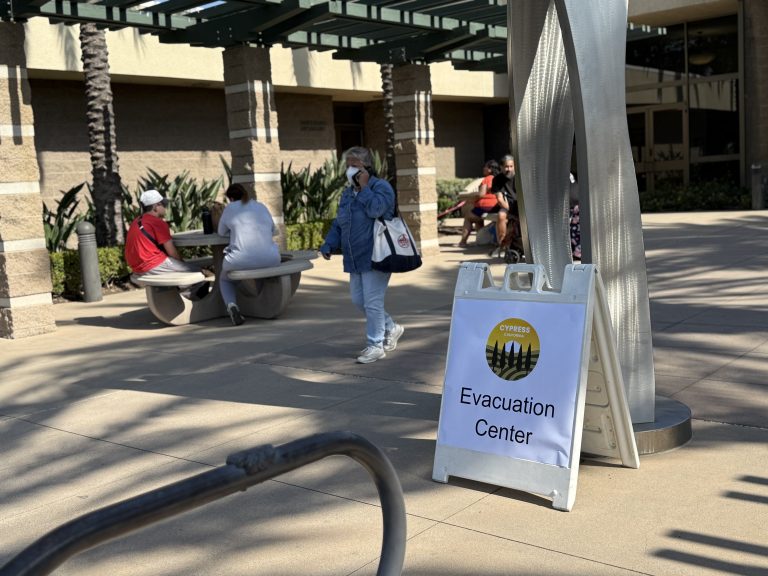
With an evacuation underway, residents from Stanton and a small area in Cypress were taken briefly to the Cypress Civic Center for processing, while the American Red Cross began opening shelters within area schools (see related stories).
One resident, Dusty, in a wheelchair, said she was rolled away from her 55-plus complex, with little notice, and unloaded here. Residents from small portion of Cypress that was included in the mandatory evacuation zone issued by OCFA began to leave their homes as activity at the Community Center ramped up. Later, they were transferred from Cypress to other shelters once they were opened, officials said.
Firefighters, meanwhile, continued to shower the tanks with water to cool the inner chemical, hoping first that they could prevent an explosion and second, hoping, but unsure, if the chemical would begin to harden or would the pressure build and explode.
The growing seriousness of the situation began to draw in top state officials and experts, including professors and industry professionals seeking to provide chemical consulting to the OCFA.
Gov. Gavin Newsom issued an emergency declaration, bringing additional resources to the fight, and he joined with Congressman Derek Tran, among others, calling on President Trump to issue a federal emergency declaration, which he did on Sunday.
Federal officials with the U.S. Environmental Protection Agency joined the effort, installing approximately 20 air monitors and providing technical expertise to the growing subject matter team.
District Attorney Todd Spitzer ordered GKN to preserve all records of maintenance and operations as he opened a county investigation of the company, urging anyone with any information to come forward.
“Given the very real risk to human life as a result of this event, it is crucial that anyone who has information about this incident or the industrial operations at GKN Aerospace Transparency Systems, Inc. come forward,” Spitzer said in a statement. Disneyland Resort, just six miles from the unfolding crisis, issued a statement but did not shut down.
“As of Sunday, May 24, there is an ongoing chemical incident at an industrial facility in Orange County, California, in the neighboring Garden Grove. The incident, which began on May 21 at an aerospace facility, has triggered evacuation orders for thousands of residents across parts of Garden Grove, Anaheim, and nearby communities,” Disney said in the statement.
“Disneyland Resort is approximately five miles from the incident and at this time, is not inside the evacuation zone. While the situation remains fluid and we may see road closures and minor traffic disruptions, there is no direct impact on park operations at this time,” it concluded.
By the weekend, however, Fire Chief McGovern told the media that OCFA had developed a plan.
“Yesterday, we built a specialized team with subject matter experts. We developed a plan to go do an operation last night, late night, to go in, get eyes on the tank and do a recon mission,” he said.
Drones had been providing valuable information, he said, but not enough.
“During that night operation, our firefighters went in, and they were able to visualize the tank. What they found was a potential crack in the tank, which could potentially be relieving some of the pressure,” he said.
“With this new information, it could change our trajectory and our strategy to this event,” said McGovern. “Last night was a successful operation for this emerging incident,” he said.
Covey, too, was upbeat about the prospects of resolution prompted by the crack’s discovery. By then, the OCFA had been joined by a bevy of subject-matter experts, who understood the molecular chain of MMA, the chemical in the tank.
“The fire chief just briefed them (experts). I’ve just briefed them. We (the team) have been together for the last four to five hours, and they’ve come up with some tremendous ideas that we’re going to start taking action on as soon as possible,” said Covey.
By now, the mandatory evacuation area had been expanded to include an area occupied by as many as 50,000 people.
The night missions continued. McGovern said it was too dangerous to expose firefighters during the day but during the Sunday night recon mission, firefighters were relieved to see their strategy taking hold.
The circle of experts and firefighters now believed that the crack that had occurred in the tank had relieved the pressure built up inside of it, said Covey, and this theory was apparently borne out by the nighttime tests performed by the firefighters who faced the danger by approaching the tank directly.
Moreover, the firefighters had torn more of the sheathing and insulation away from the tank to allow more water to begin to cool the liquid MMA even faster. In addition, there was evidence that the MMA was beginning to harden from the outside, like an egg, Covey explained.
While the threat of a massive blast was apparently mitigated, said Covey, the potential of a small explosion remained. Nevertheless, by the 6 p.m. briefing on Memorial Day, the relief in the voices of OCFA officials was palatable and while still serious, they had real progress to report.
“You know, early on in this incident, it started with us being advised that there are no options and nothing we can do,” said McGovern. “Basically, it was going to be a major explosion, which we’ve been referring to as a BLEVE or a catastrophic spill.”
“That message did not resonate with the firefighters and first responders. We knew we had to come up with a plan, that’s what we had to do. We looked at these issues, and we came up with a plan,” the OCFA fire chief said.
“Today, I’ve been happy to report that the most catastrophic and worst-case scenario was mitigated and resolved. That was the case of a potential BLEVE, it’s not over yet, and I want to reemphasize that it’s not over yet.”
Covey was direct when he jumped behind the outdoor podium. “We did it,” he said.
“We did it,” said OCFA Incident Commander Craig Covey. Photo by David N. Young
“I was handed an incident that had two options, a spill or an explosion. As the Fire Chief said, it was unacceptable to us. We put all of our people together, we found a plan, and we instigated it. Okay, that took time, but that tank was ready to blow up (when OCFA arrived).”
Covey then revealed in more detail how the firefighters were able to finally get the information they needed and the danger they were in.
“We were not putting firefighters down range during the daylight,” he said, “when the tank is most vulnerable. So, we worked at night operations, once or twice per night, at the most, and get in there, get a trend, then get out,” the incident commander said.
“Okay, we were tracking those trends. We had to understand the stability of the tank. What we essentially were shooting for, in layman’s terms, is to boil an egg (in its shell). Okay, that’s what we wanted,” said Covey, meaning they wanted the plastic to begin to harden from the outside in.
With confirmation data in hand, he said, OCFA agreed to begin lifting (65%) of the mandatory evacuation orders. Covey announced the lifting of evacuation orders for many areas, while those closest to the disaster site remain in place.
“Safety is still paramount,” he said.
With an accelerated sprint to the finish line now underway, Covey reflected on what could have been one of the biggest vapor explosions in the state’s history which, he now believed, had been averted without a single injury.
“The number one win of this whole thing is we’ve had no injuries to civilians, and we’ve had no injuries to firefighters. It doesn’t get any better for that as an incident commander,” said Covey.
Chris Myers, a federal on-scene coordinator with the Region Nine Emergency Response team of the U.S. Environmental Protection Agency, said the agency had already provided 20 real-time air monitoring instruments and that they were operating them 24 hours a day.
Air quality has not suffered, said Myers, noting that “there have been no exceedance detections during the duration of the event.”
With the crisis averted, local officials began to speak to their residents.
“I want to start by thanking all of our citizens,” said Police Chief Amir Alfara. “We know this has been a challenging and difficult incident. We thank you for your understanding, your resolve,” the police chief said.
He announced the reopening of the 22 freeway and many other streets that had been closed since the incident began.
“The coordination, the bravery, and dedication happening behind the scenes is truly extraordinary,” said Garden Grove Mayor Stephanie Kloppenstein.
“We are deeply grateful to every first responder, emergency worker, and city employee who has supported this response. For residents still under evacuation warnings and orders. Please continue to follow the direction of our public safety officials,” she said.
“The work is not over yet,” said County Health Officer Dr. Regina Chinsio-Kwong, DO.
“There are still some things we need to work through. We need to make sure to wait until it is safe, and that’s why we have a new evacuation zone.
The good news, she said, is that there was no contamination, there were no fumes, there were no vapors (as yet) to come from this incident,” Dr. Kwong said.
“You should feel comfortable going home,” she said.
First District Supervisor Janet Nguyen, who spent much time at the command post, even setting up a small office in the command center to provide firefighters whatever assistance they could, marveled at the bravery and professionalism of the team.
“Last night, our brave firefighters and responding agencies pulled off a dangerous operation in the hazard zone at the tanks to do recon and go on offense due to their bravery and technical skills,” said Supervisor Nguyen.
“All these agencies behind me, our own local, state, federal, and other groups coming together to protect our community, the coordination that has happened to get to this moment is nothing short of incredible,” suggested Nguyen.
“Beyond these agencies here, I’ve been proud to see the outpouring of support from our own community neighbors, helping neighbors, small businesses, and volunteers stepping up and providing for our residents affected by these evacuations. I can’t express how thankful and grateful for our residents and community,” she said.
Adam Schiff, who was just elected to the U.S. Senate and appointed this weekend by Gov. Newsom to fill the vacant seat before he is officially sworn in for a full term visited the site Monday.
“It is wonderful news that one of the tanks of MMA, which had been over the last several days increasing in temperature, and looking like it was going to explode, is now decreasing in temperature, and the risk of that explosion has been much mitigated,” he said.
“It’s not over,” said Fire Chief McGovern, noting “we still have work to do.”
It was clear, however, that the threat of a ticking time bomb of 7,000 gallons of highly toxic and flammable chemicals had been averted, but harder questions remain for a later day.
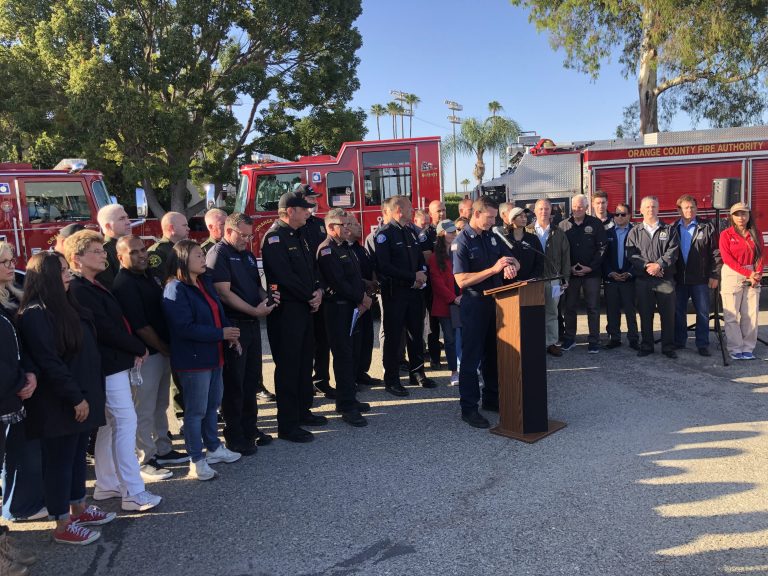
At what can only be described as an all hands on deck press conference Monday evening on the grounds of the Los Al Race Track, a full house of Orange County fire officials, law enforcement, hazmat specialists, county health care officials, federal, state and local emergency management teams, as well as congressional, state and local office holders lined up on the tarmac to present the good news that the imminent explosion of a 7,000 gallon holding tank containing chemically reactive toxic Methyl Methacrylate (MMA) on the grounds of a multinational aerospace contractor located in Garden Grove had been averted. They think. Or at least as OCFA Incident Commander Craig Covey put it, he’s confident “it’s headed in the right direction.”
Confident enough to roll back the roughly 50 square mile mandatory evacuation zone around the crisis site by 65%, shrinking the still existing evacuation area to the borders of Knott Avenue on the west, to Dale Avenue to the east, and from Garden Grove Blvd on the south to Orangewood St. on the north, leaving approximately 16,000 presumed evacuees still out of a home. Everyone else that was in the seven temporary Red Cross shelters set up around the county, or where ever they might have gone, could now go home.
That included Barbara Dotson of Stanton who said that the Kennedy High School evacuation center I spoke to her at was the third she had been shuttled through in as many days and she was “more than ready to go home” as she lifted her umpteenth shelter hot dog up to me as if to say enough of this.
Others within the reduced but still in effect evacuation footprint will have to wait a yet undetermined period of time, in what Commander Covey called a “phased approach,” before they will be allowed to return to their homes. No projected timeline offered. It was one of many questions left on the table at the highly anticipateed Monday evening press conference that highlighted many encouraging outcomes, heroic emergency efforts, and catastrophes averted at the GKN plant since the tank began to overheat last Thursday and threaten thousands of residents.
Yes, the feared boiler liquid expanding vapor explosion, or BLEVE, that could have blown the lid off the tank sending a plume of toxic cloud toward Knotts Berry Farm and Disneyland was averted. How close did we come to that game changing event? When asked by reporters at the planned Q &A for the press after the congratulatory cudos were concluded, no one among all the agencies lined up to respond could or would say. Temperatures certainly did reach or exceed 100 degrees. We know this because the temp guage on the tank maxed out at 100, and was at max for several hours over the weekend.
The “good news” said fire officials repeatedly was the temps are down to about 93 degrees. But when asked by CBS reporter Michelle Gile what is stable operating temperature, she and everybody in an OCFA uniform knew by this time it is 50 degrees. A long way from 93, which is still within dangerous levels of what chemical scientists call “thermal runaway,” a condition in which the volatile liquid MMA could rise in temperature precipitously, and still possibly leak or blow.
It was interim OCFA Fire Chief T. J. McGovern who took the lead at the press conference to assure the public that there was “zero” contamination threat coming from the toxic tank, despite the acknowledgment that there were cracks in the tank lining that apparently aided in depressurizing the tank.
Still, Chief McGovern was emphatic that there had been no leakage into the air or on the ground to date. Yet, it was GKN workers themselves who initially notified OCFA on Thursday afternoon that “an overheated tank had begun venting vapors” as reported by the OC Register.
Could the so called “crack” in the containment tank now relieving the dangerous pressure levels also be leaking toxic vapors from the still liquid contents of the tank? EPA and OCFA officials assured us some 20 atmospheric monitors set up at strategic points surrounding the site have registered no airborne contaminants as yet. But when the reporter followed up by asking for data to back those measurements up, no official seemed willing to step up and offer it.
GKN, the company that brought us to the brink of an eco catastrophe has accumulated fines into the $900,000 range at this and other of its aerospace facilities: operating equipment without permits, failing to maintain emission records, and failing to inspect machinery in service to name a few violations it has paid for but sometimes gone uncorrected, or for that matter post-inspected by regulatory agencies. When a reporter asked whose fault is that, no one in that solid formation of federal, state or local officials stepped forward to offer an explanation.
At the very end of the press Q&A I asked the OCFA moderator for the conference, Captain Greg Barta, about the oft cited number of residents evacuated in the course of this “incident.” Somewhere between 40 and 50 thousand is the claim. A simple calculation of the total possible evacuees into the 7 or so shelters set up around the evacuation perimeter could accommodate no more than a few thousand even at overcapacity. Add to that I suppose a few thousand more who found their own temporary accommodations with relatives or friends or self-funded hotel/motel options. But that is only a fraction of the total number OCFA cites as evacuated. So, where did the vast majority of unaccounted for evacuees go? Or did they go anywhere. Where did the 50,000 number come from? Begging the question how accurate is that 40-50K number, and how successful was the OCFA/Sheriffs mandated evacuation after all?
Captain Barta had no direct answer to that question or a projected time such statistics might be available. “Our officers were out there. I’m told we got good compliance,” Barta said, “I don’t know how many people did not follow our orders … we don’t have that information available.” Seems like good intel to have.
These are just a few of the many questions that are coming to light as the dust (or no dust as they claim) clears over the GKN facility. To be fair many of these unanswered questions may get addressed over time and with the wisdom of hindsight. Some deserve to be answered sooner than later for the public’s own safety and benefit. It is not enough to come to the podium and say “we did it, we mitigated and we resolved,” as Commander Covey pronounced at Monday’s press conference.
This “incident” ought to be a wake up call to all who call this complicated urban landscape home, often in proximity not only to neighbors and parks and grocery stores, but all too often also close, sometimes too close as in this case, to commercial-industrial operations you may not even be aware of that can harm you in ways that disrupt more than your Memorial Day weekend.
Authorities continued working on multiple fronts this week to prevent a faulty chemical tank from rupturing and spilling toxins onto the streets of Garden Grove.
But earlier in the week, the worst case scenario — the overheating tank on Western Avenue exploding — was averted. Firefighters found a crack in the tank that was slowly relieving pressure, and, through cooling efforts, the tank’s temperature was brought down from about 100 degrees to the low 90s.
“The most catastrophic and worst case scenario was mitigated and resolved,” said OC Fire Authority interim Fire Chief TJ McGovern.
“It’s not over yet,” he added. “We still have to mitigate a fire and very small explosion concern and also a spill potential.” When the threat diminished, the evacuation zone was reduced and tens of thousands of evacuees from Garden Grove, Stanton, Anaheim, Cypress, Westminster and Buena Park were greenlighted to return to their homes. About 16,000 remain under evacuation orders. The new evacuation boundaries stretch from Dale Street to Knott Avenue and from Orangewood Avenue to Garden Grove Boulevard. For a map, visit ggcity.org.
Some schools and businesses will remain closed until the crisis is fully resolved. High school graduations outside of the evacuation zone will be held this week.
“There is a continuing risk, and emergency operations are continuing. But this is an encouraging development, and we are hoping it will help first responders bring this to a safe conclusion as quickly as possible,” said Garden Grove Mayor Stephanie Klopfenstein.
The crisis unfolded last week at GKN Aerospace, 12122 Western Ave. in Garden Grove. A chemical tank holding 7,000 gallons of methyl methacrylate, a toxic liquid used to make plastics, heated up to dangerous levels.
“?At some point, this is going to fail, and we’re doing our best to figure out the when or how we can prevent it,” Craig Covey, Orange County Fire Authority incident commander, said in the early stages of the crisis.
The threat was two-fold: a major explosion or the spillage of thousands of gallons of toxins onto Western Avenue and surrounding streets.
Gov. Gavin Newsom declared a state of emergency. First responders from cities, the county, the state and the federal government converged on the scene. Congressional representatives, state leaders, county supervisors and city mayors gave daily updates via social media.
Shelters were opened at Golden West College, the Garden Grove Elks Lodge, the Westminster Senior center and other sites to help about 50,000 who were evacuated. Most of the shelters accepted pets. OC Animal Care set up shelters for pets, as well.
Over the weekend, Congressman Derek Tran, who represents Garden Grove, said, “I have spoken to GKN Aerospace leadership and urged the company to take full responsibility for the panic and disruption that tens of thousands of residents are currently experiencing.”
GKN subsequently issued an apology to the public.
As of Tuesday, authorities from South Coast Air Quality Management District and U.S. Environmental Protection Agency said contaminant levels around the evacuation zone have remained normal.
Firefighters and other first responders continued efforts to cool the tank and contain a possible chemical spill.
This is the first such incident. Perhaps it won’t be the last.
Following a leak in a chemical tank in southern California this week, more than 50,000 displaced residents were, in some cases, literally pulled away from their homes with little or no notice.
Ripping them away from everyday lives this week was like ripping off a Band-Aid to expose something deeper and more ominous underneath. Smoldering beneath the surface for decades, unearthed only by the leaking MMA.
Believe it or not, it appears as though that in this state, there is no minimum distance required by law between a tank full of explosive industrial chemicals and the bedroom window of a child.
This situation didn’t happen overnight, and this column should not be considered an effort to point fingers or assign blame. Consider it an issue that deserves attention before this happens again.Let us be precise about what is at stake beyond the immediate evacuation. The GKN facility manufactures the F-35 fighter jet canopy. It sits on Western Avenue in Garden Grove, flanked on multiple sides by residential streets.
David N. Young, courtesy photo
Those streets, and many more, appeared on an official Orange County Fire Authority blast zone map this week. An elementary school sits within the projected damage radius. There is no moat. There is no green belt. There is, in most cases, a fence. As it turns out, this may not be unique to Garden Grove, as no zoning laws have been broken.
Over the years, GKN has had to deal with OSHA violations, paid hundreds of thousands in fines, though, in fairness, none were apparently connected to this week’s incident.
Within a twenty-mile radius of Long Beach, there are an estimated 150 to 200 aerospace and defense manufacturing facilities. Of those, perhaps 80 to 120 file Hazardous Materials Business Plans with the state. Companies that store regulated quantities of chemicals capable of causing mass casualties if released must file HMBPs.
A conservative analysis of land use records, regulatory filings, and a study by the Bay Area Air Quality Management District on proximity suggests that somewhere between 60 and 75 percent of those filers operate with less than 1,000 feet of separation between their hazardous materials storage and the nearest residential parcel.
As we saw in Garden Grove, it is even less.
The governing law is California Health and Safety Code, and a program that requires businesses to disclose the location, type, quantity, and health risks of hazardous materials, and to file emergency response plans with the state.
It seems also from a simple reading of the statute, that it appears not to contains any setback provision, no minimum distance requirement, and no prohibition on locating regulated facilities adjacent to residential zones.
There is no minimum distance required by California law between a tank full of explosive industrial chemicals and the bedroom window of a child.
The Hazardous Materials Business Plan program, which has governed chemical disclosure since 1986, requires paperwork. It requires emergency response plans. It does not require distance. It recommends but apparently, does not mandate buffers.
In some cases, there may be good reasons for it. In some cases, however, as this community has experienced, the measure offers little when things go wrong.
The aerospace and defense industry came to Southern California in the 1940s, drawn by open land, year-round flying weather, proximity to the ports of Los Angeles and Long Beach, and the gravitational pull of wartime federal contracts.
I’ve written extensively about how fortunate the area has been and is currently, to have such a strong aerospace technology base. It is the future and offers much to our community.
But those high-tech firms require hazardous materials to produce this amazing technology that makes our military what it is today.
That original proximity was a function of necessity. Workers walked to work. Transit was sparse. The calculus made a kind of economic sense. What happened next did not. As the Cold War deepened and the defense industry expanded, California’s booming postwar population filled every available parcel around the plants.
Zoning laws, written to manage uses rather than separate them, drew lines between industrial and residential that existed on paper but not in physical space. The fence at the back of the cul-de-sac was the only buffer.
Lost wages, lost business revenue, hotel and shelter costs, and emergency response expenditures are running into the millions. Garden Grove Unified School District is closed. The Garden Grove Strawberry Festival parade has been canceled. The voting center shut. The 22 freeway was partially closed. The ripple effect extends across the regional supply chain. But the opportunity cost is higher and less visible.
Every dollar a local government spends responding to an industrial emergency is a dollar not spent on roads, schools, or public health infrastructure. Every family that experiences a forced evacuation loses trust in the proposition that their neighborhood is safe.
There is also the cost of foregone regulatory action. California has had the tools to address industrial-residential proximity for decades. The CalARP (California Accidental Release Prevention Plan) program, which governs the most dangerous chemicals, has required facilities to acknowledge proximity to sensitive receptors since 1997. Apparently, it never required them to do anything about it.
GKN is the crisis of the moment. It may not be the last. Area aerospace firms utilize hazardous materials like liquid oxygen, rocket fuel, perchlorates and hydrazine, beryllium and more.
Castellon, a missile manufacturer in Torrance, describes its own operations in job postings as a “high-hazard manufacturing environment.”
None of these facilities are necessarily operating irresponsibly. Many are among the most sophisticated engineering organizations on earth. The problem is not competence. These are all very competent companies with among our best and brightest.The problem is proximity.
When a facility that handles catastrophically dangerous materials has no physical buffer between its operations and a residential neighborhood, competence is the only thing standing between a Thursday afternoon and a BLEVE. Competence is not a land use policy.
If there is a lesson here, it is that government still matters.
Legislators would be wise to second look at the proximity issue and although it is a bit late in the game, with residences built to within feet of many, but not all, facilities. Public interest is vital to safeguard our future, so we must restore it, both right and left.
All of the first responders in this incident are indeed heroes. If only those elected can now sit together and determine what regulatory changes might make sense in the wake of this incident, it may be necessary to restore the confidence and fear that leaked with the chemicals.
At the very least, every resident should know every chemical within 2,000 feet of their homes and what to do the next time something like this occurs. The data likely already exists.
The cost of this tragedy is impossible to gauge. The physical, emotional, social, and legal damages are extensive, to say the least.
Though this was the first incident of its kind, we can only think that, with millions of residents exposed to so many facilities, it likely will not be the last. Residents have no place to go, and the aerospace industry is critical to the future. There is a way to balance the best interests of both.
If we can’t solve the proximity issue, however, at least let residents and local businesses know what lies beneath or among their corporate neighbors next door.
After all, this is only the first such incident. It could indeed happen again.
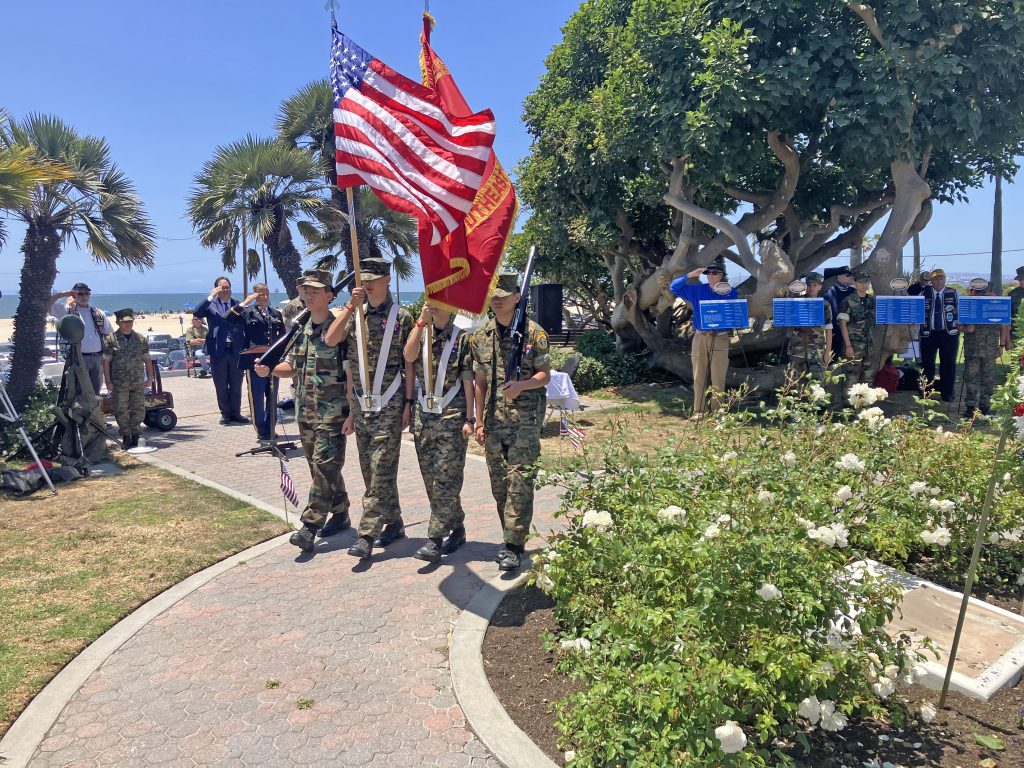
Courtesy photo Seal Beach observed Memorial Day in Eisenhower Park on Monday, May 25. Southeast County Young Marines presented and retired the colors. This year’s ceremony including a Tolling of the Boats, a ceremonial reading of the names of submarines that were lost during World War II and the cause (when known) of their loss. After the reading of the name of each submarine, a bell was rung. The Tolling of the Boats was moved to Eisenhower Park this year because the Submarine Memorial on Seal Beach Boulevard, just outside the entrance to Naval Weapons Station Seal Beach, was not available.
A large warship that docked at the Seal Beach Naval Weapons Station three weeks ago and drew quiet, yet significant interest from many around town, has sailed away, leaving only questions in its wake.
“This ship was a little different,” said Gregg Smith, Public Affairs Officer for the Naval Weapons Station, and perhaps it did “create some interest.”
Perhaps what made the ship so interesting, said Smith, is the sheer size of the vessel (nearly 1,000 feet).
“I think what was so interesting to people was the size of the ship,” he said. In fact, Smith said that before the Naval Weapons Station ammunition pier was enlarged, the massive aircraft landing ship would not have been able to dock at Seal Beach Naval Weapons Station.
As it turns out, the ship that departed the Naval Weapons Station three weeks ago had brought with it a legacy and a lineage of some renown.
The name of the ship is the USS Makin Island, and it was the final member of the Wasp Class LHD’s (Landing Helicopter Deck) to be manufactured.
The Makin Island had emerged from previous U.S. Navy Amphibious Forces and set the stage for the under-development successor to the Wasp Class, the LHA (R) Class of Amphibious Landing Ship, according to historical records from “America’s Navy” provided by the Weapons Station.
Historic carrier brings legacy of valor and courage to Seal Beach in time for Memorial Day. photo courtesy of the US Navy.
Also of interest is that the USS Makin Island (LHD 8) is the second ship to bear the name of a very brave raid during World War II.
The first USS Makin Island (CVE 93) was a Casablanca-class escort aircraft carrier that served during World War II from 1944 to 1946. Her aircraft provided air support and conducted tactical air strikes in support of amphibious landings at Luzon, Iwo Jima, and Okinawa during World War II.
In her period of service, she operated underway, deployed in the Pacific Theatre for nearly the entire time. CVE 93 was never damaged by enemy forces while earning five Battle Stars and the Navy Unit Commendation.
To understand the USS Makin Island, however, you must first understand the Makin Island Raid. In August 1942, just weeks after the catastrophic losses at Midway and amid the grinding hell of Guadalcanal, the United States needed a victory; something to show the American people that the Pacific could be won.
Lieutenant Colonel Evans Carlson led his 2nd Raider Battalion ashore on Butaritari Island in the Makin Atoll, deep in Japanese-held territory, according to the National Museum of the Marine Corps.
The Raiders overcame 90 Japanese soldiers, destroyed facilities, and gathered intelligence before withdrawing. The raid was imperfect — nine Marines were tragically left behind and later executed — but its psychological impact was enormous. America could strike back. America would strike back.
In fact, it is from this warship that the cultural slang, “Gung Ho,” was said to have emerged. “Gung Ho” was the Battle Cry of the Second Raider Battalion and the motto of USS Makin Island (CVE 93). “Gung Ho” translates to “work together,” military records confirm.
The current USS Makin Island (LHD 8) underwent construction at Northrop Grumman Shipbuilding in Pascagoula, MS. She was the final ship built in the LHD-1 Wasp-class, but the first of them built with Gas Turbine Engines and Electric Drive. Steam is not used on board the ship for heating or water production as in previous LHD class ships, according to U.S. Carriers.net
At 844 feet long and displacing approximately 41,000 tons fully loaded, Makin Island is a floating city of war. She can carry more than 1,600 Marines and their equipment, serving as the centerpiece of an Expeditionary Strike Group capable of delivering and sustaining a Marine Expeditionary Unit anywhere in the world.
Her flight deck, stretching the full length of the ship, can operate AV-8B Harrier jets, F-35B Lightning IIs, MV-22 Osprey tiltrotors, CH-53E Super Stallion heavy lift helicopters, and UH-1Y Venom utility helicopters simultaneously. Below her waterline, a massive well deck floods to launch landing craft air cushion vehicles — the hovercraft that carry Marines and armored vehicles from ship to shore in the opening minutes of an amphibious assault.
She carries a crew of roughly 1,200 sailors working alongside her embarked Marines, operating around the clock to sustain combat operations that can range from full-scale amphibious assault to humanitarian disaster relief. Her medical facilities rival a small hospital. Her galleys serve thousands of meals daily. She is a sovereign piece of American territory capable of projecting decisive force to any coastline on earth.
But what truly separates Makin Island from every amphibious assault ship ever built — what makes her genuinely historic in the annals of naval engineering — is her propulsion system. Every Wasp-class ship before her ran on conventional steam turbines, powerful but fuel-hungry and mechanically complex.
On her maiden deployment alone, she saved millions of gallons of fuel compared to a conventionally propelled ship of her class. The Navy credited her technology as a direct forerunner of the design philosophy that would eventually inform the America-class amphibious assault ships that followed.
The Makin Island has served continuously from her San Diego homeport, deploying to the Western Pacific, the Persian Gulf, and the broader Indo-Pacific theater. She has participated in multinational exercises that reinforce American alliances across the region, stood watch during periods of tension in the South China Sea, and responded to humanitarian crises with the same speed she would when going on the offensive.
The flexibility that defines amphibious assault ships — the ability to pivot from combat to relief operations without reconfiguration — has made her an instrument of both hard and soft power.
In 2021 and beyond, as the United States reoriented its strategic focus toward great-power competition in the Pacific, Makin Island found herself at the center of that pivot. Her ability to operate F-35Bs gives her a fixed-wing air capability that blurs the line between amphibious assault ship and light aircraft carrier — a capability the Pentagon has increasingly leaned into as a distributed lethality concept takes hold in naval doctrine.
Something is fitting about naming America’s most technologically advanced amphibious ship after the raid that began the Pacific campaign, especially fitting around Memorial Day.
The Raiders who struck Makin Atoll in 1942 were outnumbered, operating far from support, relying on ingenuity and audacity to achieve what conventional thinking said was impossible. USS Makin Island carries that same spirit in her steel — a ship that refused to be ordinary, that rewrote the rules of what a warship could cost and consume and accomplish.
The atoll is quiet now. The ship that bears its name is not.
As the ships come and go from the Seal Beach Naval Weapons Station, you just never know the stories they can and should tell us all. On this solemn weekend, we pause to remember not only this one ship, but those brave Marines and all the service members in all branches of the U.S. military who have given “that last full measure of devotion.”
The Cypress Elementary School District this week announced its outstanding Employees and Teachers of the Year.
“Each year, we take time to honor the dedicated service of our exceptionally certificated and classified staff. It’s also a meaningful opportunity to recognize the Teacher of the Year and Classified Employee of the Year nominees and winners,” the District said in a statement.
“Selected by their peers, these individuals reflect the care, professionalism, and commitment that define the Cypress School District. We invite you to take a few moments to learn more about these remarkable individuals who make a lasting difference in the lives of our students and families,” it said.
Here are this year’s outstanding employees:
Teacher of the Year
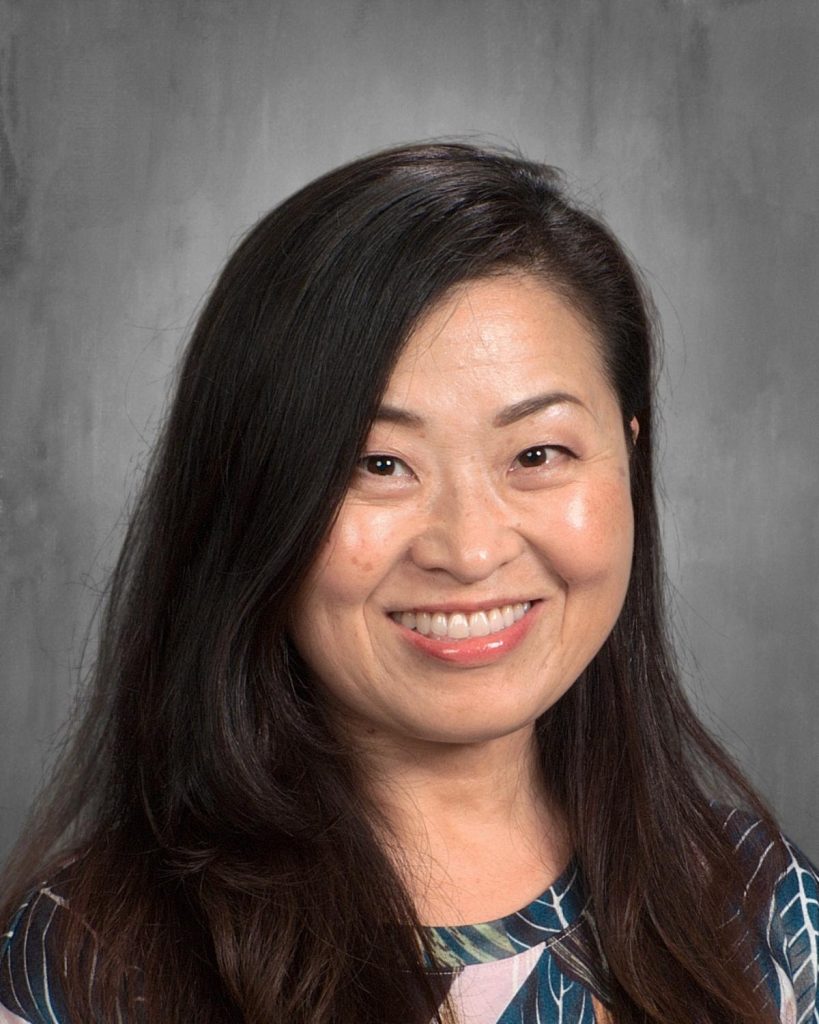
2025-26 Teacher of the Year Jeannie Kim. Courtesy photo
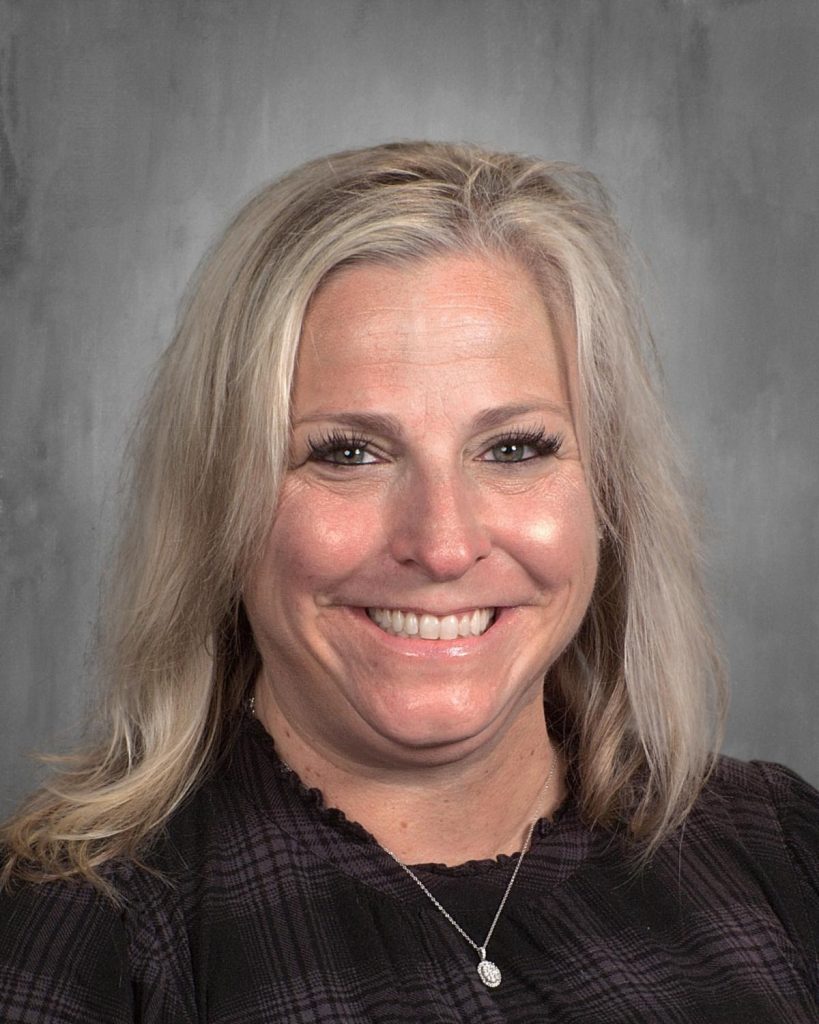
Jeannie Kim Third Grade Teacher, Vessels Jeannie has taught in Cypress since 2001, serving students at Morris, Dickerson, and Vessels with a unique blend of tech-savvy innovation and a grounding, calm presence. Through her strength in social-emotional learning, she makes sure every child feels truly seen, valued, and respected. Whether she’s creating engaging digital resources or coordinating the Vessels Oratorical Contest, Jeannie’s focus is always on helping students find their voices and build confidence as problem solvers. She doesn’t just teach her students—she genuinely cares for them. The sense of safety and belonging she creates stays with students long after they leave her classroom. She also advocates for students and families as a dedicated PTA representative and is always looking for ways to strengthen the school community. Her heartfelt dedication to both the craft of teaching and the well-being of every child makes her truly deserving of this year’s Teacher of the Year award.
Classified Employee of the Year
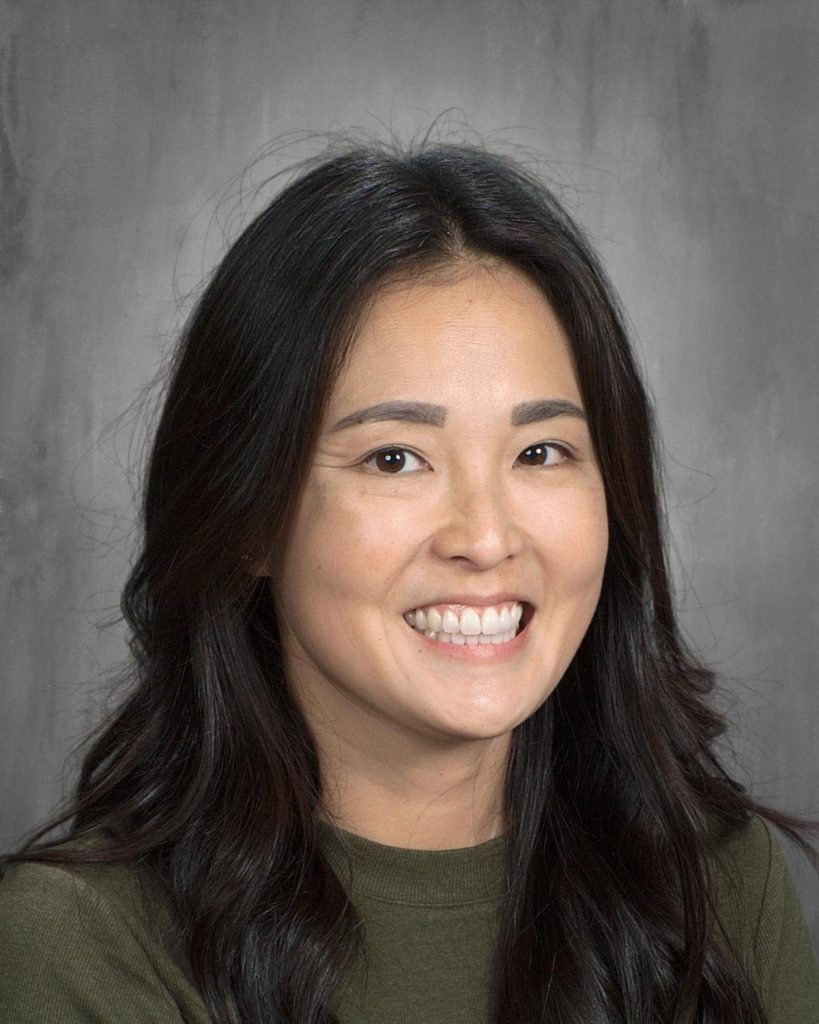
Mercede Cole, Courtesy photo
Mercedes Cole Licensed Vocational Nurse Mercedes has been a Licensed Vocational Nurse in the Cypress School District since 2014, bringing more than a decade of skilled, compassionate care to students across multiple school sites. Known for her genuine rapport with students and her calm, reassuring presence, she consistently goes above and beyond her role—responding promptly whenever she is needed at any campus and ensuring every student receives attentive, kind care. Mercedes is also committed to staying current in her field, continuously seeking out new knowledge and best practices. More than a skilled medical professional, she is a beloved member of the district’s staff whose arrival on campus brings immediate relief and warmth. All of her work is for the betterment of the Cypress School District, and Mercedes knows it starts with the students. Her dedication, professionalism, and student-centered approach make her a truly deserving winner of the Classified Employee of the Year award.
Teacher of the Year Nominees
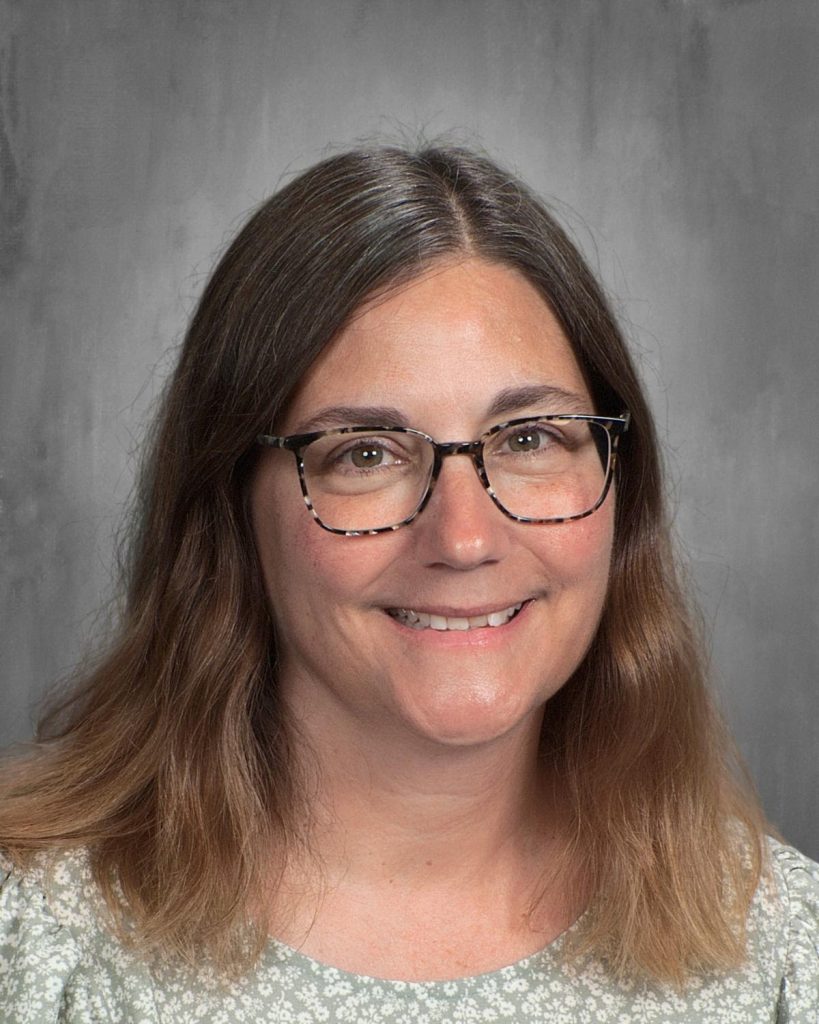
Candy Early, Courtesy photo
Candi Earley Kindergarten Teacher Arnold Candi is a dedicated 26-year teaching veteran currently inspiring kindergartners at Arnold. Her classroom is a nurturing, inclusive environment where students feel safe, valued, and excited to learn. Her remarkable patience and calm presence allow every child to grow at their own pace, building confidence, curiosity, and a love of school from the very beginning. She also founded the school’s Nature Club, which provides students with meaningful opportunities to explore the outdoors and connect with the environment. Beyond her classroom, she serves as President of the Association of Cypress Teachers, advocating for educators while always keeping students’ best interests the focus of her work.
Nicole Vo
Nicole Vo, courtesy photo
Fifth Grade Teacher King Nicole is an innovative and compassionate teacher whose impact extends throughout the entire school community. One of her most impactful contributions was introduction of the Playworks program which transforms recess into an inclusive, structured experience where students develop teamwork and conflict resolution skills. In her classroom, she creates a challenging and inspiring learning environment, including Universal Design for Learning projects that foster independence and higher-level thinking. She also coordinates a cross-grade buddy program that pairs fifth graders with TK students through art, cultivating empathy and leadership in older students.
Jennifer Pulone
Jennifer Pulone, courtesy photo
Education Specialist Landell Jennifer has devoted her career to special education and currently serves as an Education Specialist at Landell, working with students in TK through 6th grade. Guided by her philosophy that at the heart of education is the child, and at the heart of the child is their social-emotional well-being, Jennifer works with students to build their social-emotional learning skills alongside their academic skills. She also supports the school community through her participation on the Student Study Team as well as the school’s Positive Behavioral Interventions and Supports (PBIS), Red Ribbon Week, Safety, and Kindness committees.
Elizabeth Elmgreen
Elizabeth Elmgreen, courtesy photo
Sixth Grade Teacher Luther Elizabeth has 23 years of experience teaching first, second, and sixth grades. She has a deep commitment to literacy, social-emotional learning, and culturally responsive instruction for English language learners. She creates a supportive and inclusive learning environment where academic discourse and creative expression flourish, ensuring her students develop the confidence needed for future success. Beyond her teaching responsibilities, she has served as a Thinking Maps Trainer, Cotsen Fellow, and mentor to future teachers, and she also assists with the student garden, talent show, and sixth grade camp preparations.
Ida Egenberger-Gutierrez
Ida Edenberger-Gutierrez, courtesy photo
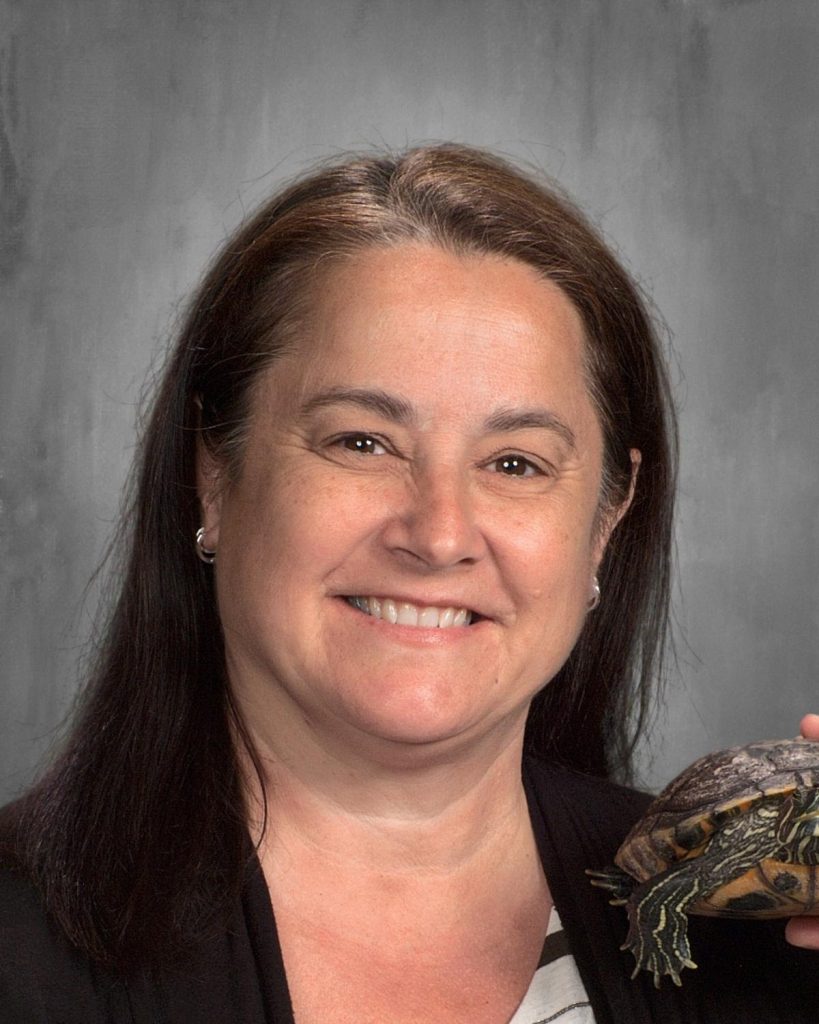
Third Grade Teacher Morris Ida is an exceptional educator whose warmth, professionalism, and dedication have positively influenced students, families, and colleagues at Morris for 23 of her 30 years of teaching. She brings learning to life in meaningful ways–from the Morris garden, to integration of technology in the classroom, to classroom pets she lovingly cares for. She especially loves partnering her students with younger buddies, nurturing leadership skills, empathy, and a strong sense of school community. Her children are an inspiration to her as a teacher, particularly her oldest son, who has influenced her commitment to flexibility, perseverance, and recognizing the strengths of students on the autism spectrum.
Cassie Hanley
Cassie Hanley, courtesy photo
Teacher on Special Assignment Social-Emotional Learning Cassie has dedicated 25 years to serving students in the district, including 21 years teaching at Arnold, where she built meaningful relationships, fostered a love of learning, and positively influenced countless students. For the past four years, Cassie has served as a Social-Emotional Learning Teacher on Special Assignment, continuing her deep commitment to student success. In this role, she works closely with students facing behavioral and social-emotional challenges. Through patience, empathy, and skill, Cassie helps students develop the tools they need to grow socially, emotionally, and academically, empowering them to find success both in and beyond the classroom.
Classified Employee of the Year Nominees
Diana Cebreiro, courtesy photo
Diana Cebreiro School Administrative Secretary Luther Diana is an exceptional classified employee whose organizational strengths and uplifting spirit enhance every aspect of the school community. She excels at improving systems and streamlining daily operations while simultaneously boosting staff morale through her positivity, empathy, and infectious laughter. More than a skilled and dedicated worker, Diana is a unifying force who connects naturally with those around her, offering encouragement when it’s needed most. She contributes not just to the functioning of the school, but to the heart of it.
Pam Glasell
Pam Glasell, courtesy photo
Program Manager-Early Childhood Preschool Pam has been a cornerstone of early childhood education in the district for over 20 years, beginning with the Mommy and Me program and playing a pivotal role in building what has become a highly regarded preschool program. Her dedication and innovation have created a welcoming, safe, and engaging environment where families feel supported and young students flourish. Her lasting impact on students, families, and the broader school community reflects a career defined by advocacy, passion, and an unwavering commitment to early education.
Tanya Montes
Tanya Montes, courtesy photo
Central Kitchen Lead Child Nutrition Services Tanya represents the very best of Cypress Child Nutrition Services, playing a central role in shaping a school food program the entire community can take pride in. Her commitment to serving real, scratch-made meals has earned recognition from Eat Real, the Chef Ann Foundation, and the Powered by School Food Professionals campaign. Through her work, she has transformed the way families and staff think about school food, demonstrating that classified employees are true leaders who make a meaningful difference for students every day.
Becky Rios
Becky Rios, courtesy photo
Reprographics Technician Business Services Becky exemplifies the dedication and professionalism that classified employees bring to education every day. As the driving force behind the district’s print shop, her meticulous work ensures that every banner, flyer, and handout reflects well on our schools. She takes great pride in her work, which is the reason so much of what we do looks polished and welcoming. Though her role may be behind the scenes, the impact of Becky’s work is visible throughout the entire school community.
Dawn Smith
Dawn Smith, courtesy photo
Paraeducator-Behavior Luther Dawn Smith has spent 29 years in the Cypress School District demonstrating the very best of what classified employees contribute to education. As a paraeducator, she brings professionalism, innovation, and genuine care for students to her work every day. She demonstrates that classified staff are far more than just support staff—they are educators, mentors, and advocates who leave a lasting impact on students’ lives. Her remarkable career and unwavering dedication to students are truly appreciate
On Sunday, June 7, from 1 to 5 p.m., Long Beach Symphony welcomes audiences of all ages to experience music through curiosity, imagination, and connection at its beloved RuMBa Foundation Family Concerts—an engaging and interactive experience designed especially for children and their families. Pre-concert activities will take place from 1–3 p.m. and 4–5 p.m. in the Lobby and Plaza of the Terrace Theater, with the family-friendly concert held inside the concert hall at 3 p.m.
Led by Music Director Eckart Preu, Long Beach Symphony presents Prokofiev’s Peter and the Wolf—a beloved musical story filled with bold melodies, playful characters, and thrilling adventure. In this charming tale, a brave boy named Peter ventures into the meadow, encountering a bird, a duck, a cat—and a looming wolf. Each character is brought to life by a different instrument, helping young listeners discover how music can tell a story, spark imagination, and create vivid emotions.
Designed to inspire children of all ages, the afternoon emphasizes imagination, creativity, and community—offering families a chance to unplug, connect, and share meaningful experiences together. Through hands-on activities, children are welcomed into the world of music before the orchestra even begins to play. Participating partners include:
The performance is part of the Symphony’s ongoing partnership with the RuMBa Foundation of Long Beach, whose generous support makes high-quality music experiences accessible to the entire community. Kids get in free, the Symphony has announced.
“This is a multi-generational family fun day where kids of all ages create lifelong memories. We are extremely thankful to The RuMBa Foundation for their multi-year generous grant and the access it provides to so many families,” says Long Beach Symphony President Kelly Ruggirello.
This concert is ideal for children, parents, grandparents, and anyone looking to learn and share the excitement of live symphonic music in a welcoming, family-friendly environment. Learn more at https://longbeachsymphony.org/concerts-events/rumba-foundation-family-concerts/
Celebrating its 91st season, Long Beach Symphony is the premier producer of live music in the greater Long Beach region and one of Southern California’s most renowned, professional regional orchestras. Long Beach Symphony’s vision is to unite all people through the transformative power of music by engaging audiences of all ages and cultures through exceptional orchestral performances, community partnerships, and meaningful educational experiences. Led by Music Director Eckart Preu, Long Beach Symphony serves 70,000 community members annually through its robust Classical and Pops series concerts and education activities. For more information, visit longbeachsymphony.org.
The 2026 lineup for the Rossmoor Community Service District’s annual foodie festivals were announced this week in a statement from the district’s contractor, Elite Special Events.
“We are proud to announce the schedule for the 2026 Rossmoor Family Foodie Festivals at Rush Park,” announced Ted Holcolmb of Elite.
“Back for its sixth straight year, these Family Festivals have become a summer tradition for local residents in Orange County. Every show features new classic rock tribute bands, eight gourmet food trucks and as many as 50 creative retail and craft pop-up vendors,” he said in a statement.
There is also a huge Kids Zone carnival area with face painting, pony rides and carnival rides and games. The show will only select 50 of the most creative and unique vendors that sign up.
He said interested vendors are urged to reach out to the company and sign up for one of this year’s events, which he said have been scheduled for June 13, July 11, August 8 & September 12 at Rush Park.
For additional information, reach out to Elite at 562-799-7737. On Instagram@Familyfoodiefestivals.
Get ready for a summer of sound! The City of Los Alamitos Recreation and Community Services Department is holding its annual Summer Concert Series on Thursday nights beginning June 11, 2026. The Summer Concert Series, presented by the Parks, Recreation & Cultural Arts Commission, is a series of free outdoor events that offer families opportunities to come together and enjoy live music and food.
All concerts will take place from 6:30 p.m. to 8:00 p.m., with free summer giveaway items offered at the Los Alamitos Recreation and Community Services info booth and family fun activities provided by Los Alamitos Rec on the Go.
The first set of four concerts will take place on Pine Street and are called “Concerts on Pine Street.” These four concerts will be on Thursdays, June 11, June 18, June 25, and July 9 (with June 25 celebrating America’s 250 Years of Freedom, Community, and Civic Pride in collaboration with the Development Services Department).
The Concerts on Pine Street will have vendor booths, moon bounces, lawn games, and food vendors. The second set of four concerts, called “Concerts in the Park,” will alternate between Little Cottonwood Park and Orville R. Lewis Jr. Park. These concerts will be on Thursdays, July 16, July 23, July 30, and August 6. Los Alamitos Recreation and Community Services will be kicking off their Park Series with a pre-concert Field Day in honor of Park and Recreation Month, followed by a vibrant celebration of Polynesian heritage through traditional music, dance, and authentic cuisine. The Concerts in the Park will also have various food vendors and merchant booths. With amazing tunes and great vibes, Summer Concert Series is sure to be a hit this summer!
Concerts on Pine Street: June 11 – No Duh (No Doubt tribute) June 18 – La Verdad (Salsa Tribute + Salsa Dancing) June 25 – Redneck Rodeo (Country + Line Dancing) 250th Year Celebration. July 9 – 80’z All-Stars (80’s Tribute)
Concerts in the Park: July 16 (Little Cottonwood) – Polynesian Festival July 23 (Orville R. Lewis Jr.) – Surfs Up (Beach Boys tribute) July 30 (Little Cottonwood) – Headshine (Reggae) August 6 (Orville R. Lewis Jr.) – The Trip (Classic Rock) For more information, please visit www.cityoflosalamitos.org/recreation or contact the Recreation and Community Services Department at (562) 430 – 1073.
For the first time in its 30-year history, Riverdance has been infused with an entirely new generation of talent, including the global sensation brother/sister act Fergus and Anna Mai Fitzpatrick.
With a cast of dancers not even born when Riverdance roared onto the world stage in 1994, Riverdance 30 – The New Generation comes to Segerstrom Center for the Arts for three nights only, May 15 – 17.
Riverdance began as a seven-minute interval performance during the Eurovision Song Contest on April 30, 1994, held in Dublin. Composer Bill Whelan, producer Moya Doherty, and director John McColgan conceived the upstart performance. The piece starred Jean Butler and Michael Flatley as lead dancers, backed by the Irish choral group Anúna and Whelan’s newly composed score. The audience response was extraordinary, including a standing ovation that many described as one of the most electric moments in Eurovision history.
From those humble beginnings, the Riverdance franchise was created. The originators are still behind the curtain as the new show was composed by Whelan, produced by Doherty, and directed by McColgan.
Since Riverdance first emerged onto the world stage, its fusion of Irish and international dance and music has captured the hearts of millions worldwide. The Grammy award-winning music and the infectious energy of its mesmerizing choreography and breathtaking performances have left audiences in awe and established Riverdance as a global cultural sensation.
Audiences will enjoy a unique and memorable performance that blends the traditional and the contemporary, showcasing the skill and passion of the world-class dancers, musicians, and singers in the Riverdance ensemble. In addition, modern projection measures and a four-piece band make the entire experience bigger than life, says Irish dancing sensation Fergus Fitzpatrick in an interview with ENE.
Fitzpatrick and his sister, Anna Mai, have both been with the show for nine years, and they are the lead male and female dancers.
“Every night is opening night,” said Fitzpatrick, or as the Hollywood Reporter put it, “The sort of spectacle and experience that comes along once in a lifetime.”
“There’s something in the show for everyone,” said Fitzpatrick. “Even if you don’t know what Irish dancing is, or you’ve never been to Ireland before, there’s something relatable to everybody that touches people’s hearts when on stage,” he said.
“I always remember that it’s like we’re all together, learning and exploring each other’s cultures, but while staying true to the magical Riverdance,” he added.
“What I’m feeling in my heart changes from number to number,” he said, “because of the feeling that you give to it. But overall, I would say it’s just pure joy. I mean, I love what I do so much. I’m so blessed and grateful that I get to do this as my job. And I think everybody up on that stage agrees. You know, we’re just so blessed and grateful to be up there,” said Fitzpatrick on a Zoom call from his Irish home in Meath.
While touring is a grueling endeavor, “it never, ever gets old,” he said.
Fitzpatrick said while the show has been updated for a new experience, there is sufficient roots for everyone to be on their feet in the theater.
“Our director, John McColgan, our producer Moya Doherty, and composer Bill Whelan have done an incredible job of updating this show with technology. They’ve updated the set, the costumes, and the numbers, yet they’ve done a really, really incredible job of keeping it alive and modern and fresh for new audiences, no matter where we go,” he said.
McColgan, the Director of Riverdance, said in a statement that it is a delight to still be at the helm of this global entertainment phenomenon.
“It is both a privilege and a delight to celebrate 30 years of Riverdance and the unique journey it has taken us on,” said McColgan.
“In those 30 years, the show has transformed from a spectacle into a global cultural phenomenon while continuously evolving yet remaining true to its Irish roots,” he said.
The three-day stop in Costa Mesa comes as part of a 67-city tour.
Since its inception, Riverdance has been seen by over 31 million people in 51 countries and the Riverdance family hasn’t stopped growing since that first performance as the interval act at the Eurovision Song contest in 1994.? Since then, the show has played over 16,000 performances and featured 1,500 Irish dancers. The various casts of the hit Irish dance show Riverdance have produced 74 marriages and 136 “Riverdance babies” – many of whom have now performed in the show.
Fitzpatrick said among his greatest moments during Riverdance is watching his sister, Anna Mai, “work so hard” to finally become the lead female dancer.
“One particular moment that I always go back to is the first time that my sister Anna Mai got to perform the lead role,” he said.
“It was in Montreal, and it was an incredible moment for me, because I was so proud of her and everything that she’s accomplished. And it brought me to tears, and I’m so happy for her, and I knew how much she wanted it and how hard she had to work, that’s a highlight for me.”
The New Generation, with its crop of up-and-coming stars, will take the local stage on May 15.
Tickets for RIVERDANCE 30 starting at $44, are available for purchase online at scfta.org, in person at 600 Town Center Drive, Costa Mesa, CA 92626, and by phone at 714-556-2787. For inquiries about group ticket discounts of 10 or more, call the Group Services offices at 714-755-0236.
The Cypress City Council has unanimously approved a scheduled hike in the trash rates for Valley Vista Services at its regular meeting on April 28, but not before a peace offering to the company that extracted additional services from the trash-hauling firm.
The operative word here is unanimous, because it has been a long time, if ever, since the embattled trash hauler has been in complete unison with a sitting Council.
The Council’s discussion revolved around an annual increase in the hauler’s monthly rates tied to the Consumer Price Index due to the company under their controversial, lengthy trash-hauling agreement. The Council meeting, following a spring hiatus, marked the official welcome of its new city manager, Shannon DeLong.
In addition to the CPI rate adjustment allowed by the Valley Vista contract, the Council also went on record to support a new 10-year WISE agreement (Waste Infrastructure System Enterprise) to authorize the city’s use of the existing three solid waste landfills.
Public Works Director Nick Mangkalakiri, P.E., said one of the county’s three landfills will be closed at some point soon; therefore, the new agreement will authorize expansion of one of the remaining two.
“The franchise agreement allows a direct pass through, so any increase that we see at the county level are directly passed along to the rate payers,” said Mangkalakiri.
“It is also important to note that this increase is not being driven by the city, or the franchise hauler, and that this is not unique to Cypress. This is a county-wide issue affecting all Orange County cities,” said Mangkalakiri.
Accordingly, Cypress homeowners will see a quarterly increase of $5.80 on their Valley Vista trash pickup bills, which is slightly higher than some surrounding communities, residents were told.
Council member David Burke noted, however, that though county-wide landfill issues did affect the rate increase, actions by an earlier Council, not the current one, also affected the rate of increase.
According to Burke, the 2021 conract gave the trash hauler the right to allow 37 percent of their increase to be tied directly to landfill rates rather than the 20 percent, like many other cities.
“I want to be very clear with our residents about the increase,” said Burke.
That said, Burke signaled it may be time for a peace offering of sorts to Valley Vista, suggesting there were a couple of giveaways in their existing contract (approved in 2021) that perhaps should be revisited.
“We used to have 12 free bulky item pickups during the year in the previous contract,” said Burke, “and when it got amended, it got cut from 12 (bulky item pickups) down to 2.
“I think that puts a strain on residents to dispose of some of their bulky items,” he said.
“I should ask our representatives from Valley Vista if there’s any sort of potential improvements we can make to our disposal of bulky item options here in Cypress,” Burke said.
Large-sized disposal items such as couches, refrigerators, and other such items that do not fit within the services’ regular pickups are considered bulky.
Valley Vista Executive David Perez, in the Council chamber for the meeting, responded directly to Burke’s question and was permitted to address the Council. It was clear from the tone that he welcomed the chance to satisfy the Council.
David Perez, President of Valley Vista, appears before the Council at their April 28 meeting. Courtesy photo
“I have been discussing this with your staff and trying to come up with some ideas,” Perez began. “Obviously, the two bulky items pickup per year (schedule) is restrictive, for sure,” said Perez.
“I’ve heard this speaker earlier, and I can’t argue that point. I mean, it would appear to be a little restrictive, so I would say we could come up with something a little more generous, and probably more thoughtful,” he said.
During the oral communications portion of the meeting, resident Tom Moore told the Council that just two bulky item pickups per year were not enough.
Valley Vista Services is interested in “aligning better with what the residents really need,” said Perez, “as opposed to what we saw in the past.”
“As someone pointed out earlier, there really isn’t a lot of calls for bulk items, but that doesn’t mean we shouldn’t provide the service,” Perez said.
“And, as you pointed out,” he told Burke, “we do want to provide stellar service for this community because we really do enjoy servicing Cypress. It’s a great contract, and we appreciate everybody here.”
Burke and Perez agreed that Valley Vista will now provide at least two bulky items, and Perez indicated that he may even consider even better terms.
“I think something along the lines of, we go to, like, four calls per year and every call from 10 to 12 items,” said Perez. “I think in that way, everybody gets something,” he added.
City staff will now sit down with Valley Vista and work out all of the details before the final amendment to the waste hauler’s agreement comes back to the Council for approval.
“I would certainly want to bring something back to be approved before new rates go into effect,” Perez continued.
Obviously, we want to give the people something for when they see rates go up,” he said, defending the earlier Council’s much-discussed, long-term, no-bid contract.
“I do believe the deal is a very good deal for the city in the long haul. I mean, it’s a short-term kind of ‘ouch,’” he said, “but in the long term, it’s going to prove to be a good and wise decision,” Perez suggested. Burke also pressed Perez on the once-a-year, so-called curbside pick-up “sweep,” saying while it is voluntary on the part of Valley Vista, Burke suggested adding it to the contract “since you’re doing it already.”
“I’m happy to do it,” said Perez, adding that “you can always count on our better angels, but I agree that it should be codified.”
With everyone in such a cheerful mood, Council member Bonnie Peat suggested the Council also consider making the Valley Vista contract an “evergreen” agreement.
While the Council took no formal action on it, and neither did Peat request any, she suggested the Director of Public Works should look at it before the entire Valley Vista contract returns to the agenda for its update.
“When we look at our surrounding cities, most have an evergreen (trash) contract, and we chose not to do that. Firms in those cities have been given endless, or 30 years plus, in some cases, and they (the city) extend it each year,” she said.
“I appreciate the service Valley Vista has provided to us, and I think it would be a shift for us, but Nick (Public Works Director), you’ve had some good ideas that I think we can probably combine it with a review of the contract,” said Peat.
Mayor Pro-tem Dr. Kyle Chang asked Perez to consider the plight of the individual living in multi-unit apartment complexes, given that in the bulky item pick up, each “unit” gets two stops only, but thanked Perez for showing up at the Council meeting, given the five years of barbed debate over the company and its contract.
Given the enormous friction between the Council and the company in the past, Chang also commended Perez for having the courage to appear before them.
“It took a lot of courage to come here,” Chang told Perez, “and I think it goes a long way with the city.”
A former program manager of the La Palma Tiny Tots program has sued the City of La Palma for at least $40,000 in unpaid wages, plus unspecified liquidated damages.
According to a lawsuit filed in Superior Court by the law firm of Gonzalez, Weerasuriya, APC, Misty Torres was employed by La Palma from 2018 to 2025, during which they allege the city shortchanged the former part-time employee.
“This is a wage-and-hour action arising from defendant City of La Palma’s failure to pay Ms. Torres for all hours worked, failure to provide compliant meal periods and rest breaks, failure to issue accurate wage statements, and failure to pay all wages due at separation,” the lawsuit contends.
Attorneys for Torres detail the work history in their “complaint for monetary damages” filed in Orange County Superior Court on April 8.
According to the complaint, “Ms. Torres regularly performed three additional hours of unpaid work,” and “worked through meal periods while continuing to supervise children (Tiny Tots program) or prepare materials. Because Defendant often provided no meaningful coverage, Ms. Torres also did not receive compliant rest breaks.”
“In or around mid-2024, Defendant formally capped Ms. Torres’s hours at 30 hours per week, or 60 hours per pay period, while leaving the same workload in place,” the suit contends.
“Defendant later limited her to only 20 hours per week during certain school-break periods,” it claims, “thereby creating a predictable and unlawful result: Ms. Torres either had to leave essential work undone or complete that work off the clock.”
“Instead of paying Ms. Torres for all hours worked, Defendant told her not to do the work while still expecting the work to be completed. In or around June 2024, Defendant told Ms. Torres to leave work, or she could be fired because she had no available hours,” attorneys claim in the suit.
“On or about July 16, 2024, Defendant informed Ms. Torres by email that she could not exceed 30 hours per week, or 60 hours per pay period. Ms. Torres immediately responded that the limitation made it difficult to complete all work required for class because approximately 20 hours were consumed by class time alone,” it said.
Then, on August 5, 2024, Defendant told Ms. Torres “that her hours were fixed and non-negotiable.
Defendant also told Ms. Torres on or about August 5, 2024, that she could no longer perform work from home, even though Defendant had previously allowed her to do so and even though the workload still required preparation and administrative work outside class time.
Attorneys for Torres have asked the court to award a jury trial and to grant monetary relief of $40,000 pursuant to the Labor Code, unpaid overtime wages of more than $50k, unpaid meal premiums of approximately $20k, unpaid rest breaks of $20k, and statutory penalties of more than $10,000.
In addition, Torres is asking for “restitution of all unpaid wages withheld, and injunctive relief permitted by law.
“Torres further seeks all other relief permitted by law, including attorney fees, costs, interest, and other and further relief as the court deems just and proper,” according to the lawsuit.
Parents lined up at the City Council meeting in La Palma in early 2025 to protest the city’s treatment and dismissal of Torres from the Tiny Tots program.
“I may be one person, but I’m speaking on behalf of many families,” said Chloe Janoian before the Council. “Miss Misty has been the heart of the Tiny Tots program for nearly a decade. She transformed it from a simple drop-off service into a true preschool prep experience,” she said, lamenting Torres’ exit from the program.
The ENE has reached out to the city for comment. According to the timing of the lawsuit, most of this occurred under former City Manager Conal McNamara’s watch. Peter Kim, the current City Manager, responded to say the city does not comment on active litigation.
In December, a Superior Court Jury found the city of La Palma liable for $8.4 million in damages to a former police officer in a rare case of reverse discrimination. The city has appealed.