

By Malini Nagpal, Ph.D., BC-DMT
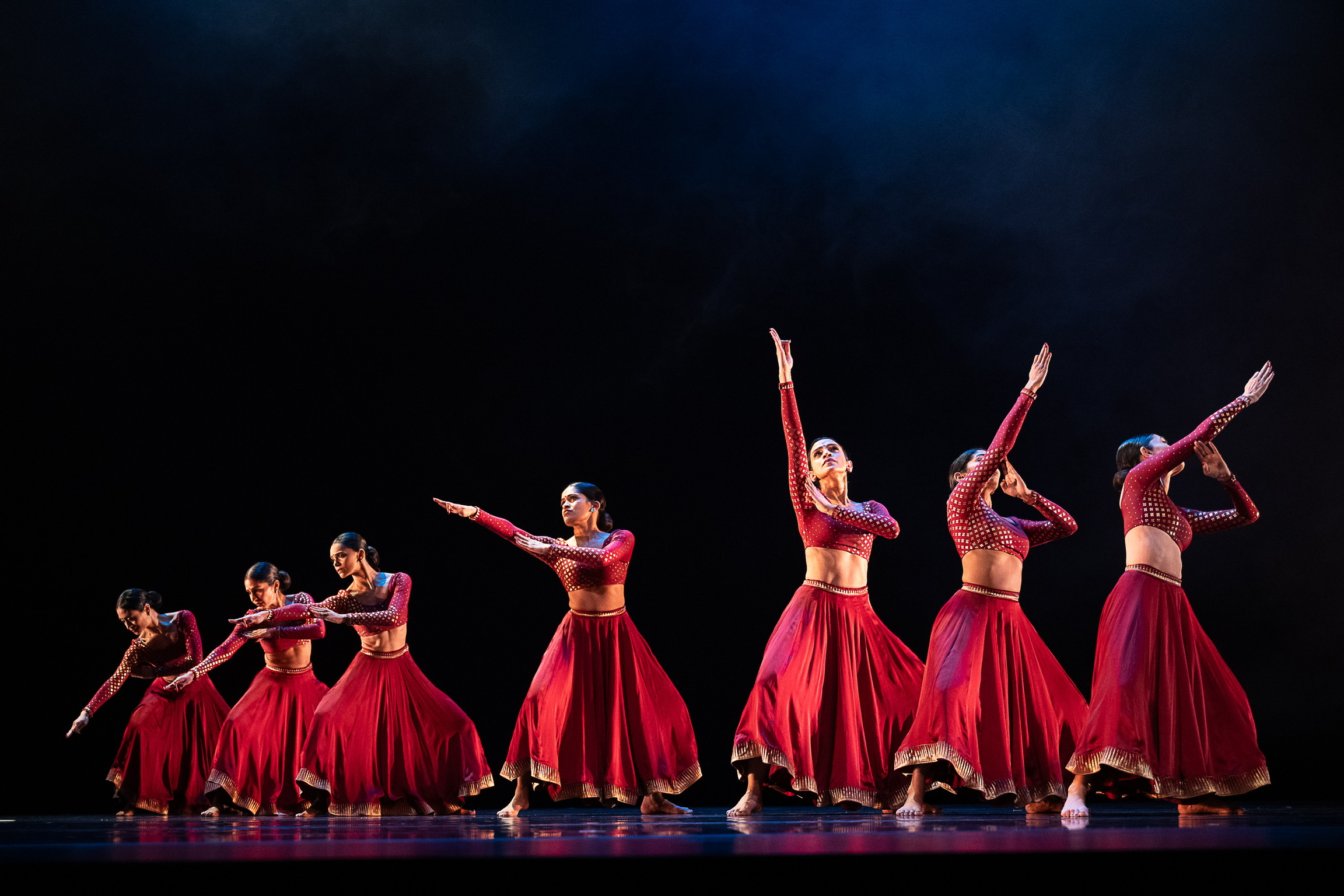
The recent production by Sa Dance Company of RISE: A Journey Through Resilience at the Chapman University’s Musco Center for the Arts used the art form of dance to speak to aspirations of future generations.
Founded by Payal Kadakia Pujji, Sa centers its work on the evolving landscape of Indian American identity—especially the themes of womanhood, community, and the multifaceted journey of the Indian American female, driven by a clear desire to inspire and shape future generations.
As an Indian American born and raised in the United States, Payal has long sought to bridge these two parts of her identity, finding in dance what she describes as the “perfect channel to not only explore but also to express this bridge—a perfect blend of dance forms of her Indian and American heritages to bring awareness to people why this is important.” This guiding intention forms the artistic and emotional foundation of RISE.
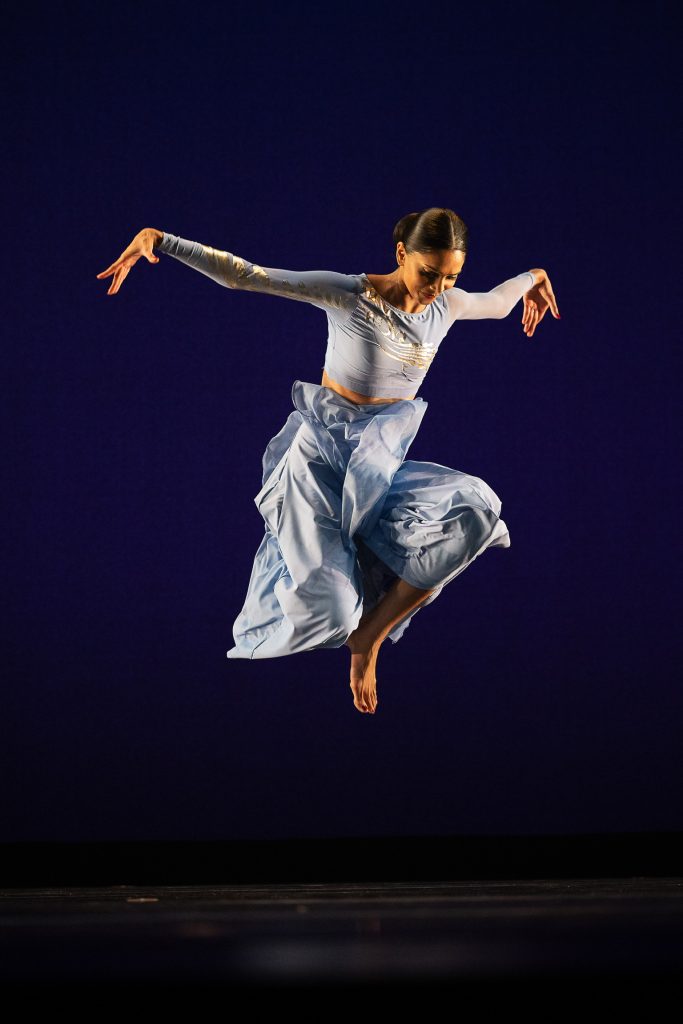
In RISE, this vision unfolded through the life journey of an Indian woman, conveyed through expressive Indian contemporary dance choreography. The company blended Indian classical dance forms with Western ballet (both classical and modern), jazz, and hip?hop, creating a movement language that felt fluid, textured, and deliberately layered.
On Saturday, January 24, 2026, I experienced Sa’s production of RISE – A Journey Through Resilience at the Chapman University’s Musco Center for the Arts. Founded by Payal Kadakia Pujji, Sa centers its work on the evolving landscape of Indian?American identity—especially the themes of womanhood, community, and the multifaceted journey of the Indian?American female, driven by a clear desire to inspire and shape future generations. As an Indian American born and raised in the United States, Payal has long sought to bridge these two parts of her identity, finding in dance what she describes as the “perfect channel to not only explore but also to express this bridge—a perfect blend of dance forms of her Indian and American heritages to bring awareness to people why this is important.” This guiding intention forms the artistic and emotional foundation of RISE.
The dancers shaped an experience that resonated on multiple levels—emotionally stirring, viscerally engaging, and visually evocative. The performance invited the audience not only to witness the story, but to feel its quiet strength, its questions, and its moments of transformation.
Sa Dance Company skillfully incorporated visual arts alongside voice-over narration to deepen the audience’s connection to the personal and powerful stories of its all-women ensemble. Through these multimedia elements, the dancers conveyed the inner strength and resilience present within each woman, highlighting the journey to becoming one’s authentic self.
The production was marked by expertly crafted choreography, executed with precision and emotion. The dances centered on the gender-based barriers that South Asian women face, shedding light on the persistent social structures that contribute to the silencing and suppression of women’s voices. While this theme has been addressed in previous dance anthologies, this was the first time the issue was experienced as being directly relevant to the Indian-American community.
Sa’s performance thoughtfully illustrated that South Asian patriarchy and its associated social structures are not only present but remain active within the Indian-American context. The production challenged its predominantly South Asian audience to reflect on their own beliefs and behaviors, as well as the words and non-verbal cues they use. It called attention to the ways these cultural signals can communicate to women—be they sisters, spouses, daughters, or mothers—that their role is to remain silent, serve quietly, sacrifice, disappear, and avoid taking up space.
Through its remarkable choreography, “RISE – A Journey Through Resilience” also powerfully conveyed how women overcome barriers in patriarchal societies, rising into their own strength and voice.
For more information on Sa Dance Company, please visit their website at: https://www.sadancecompany.com/