
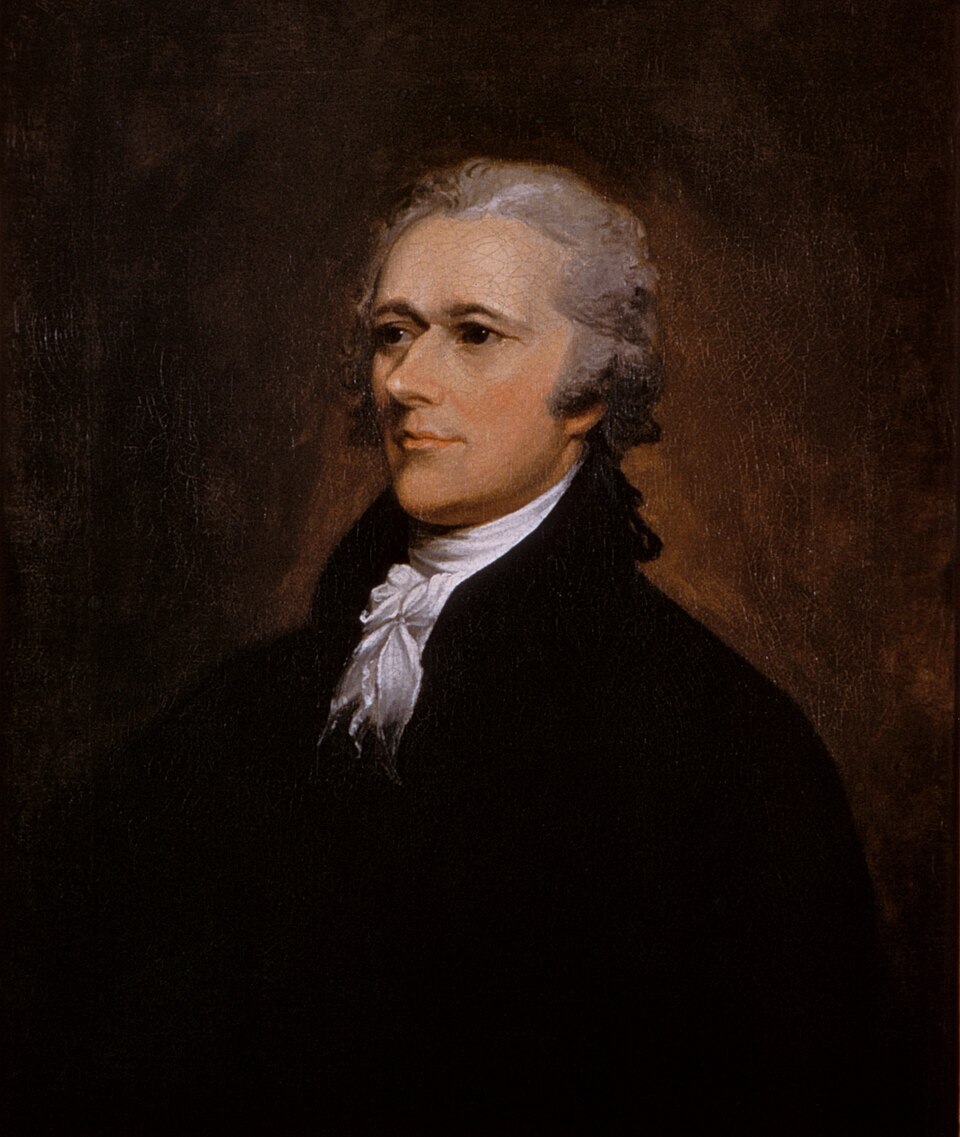
I sometimes wonder, if Alexander Hamilton and the Founders had hashtags, would we be a republic today? And with only one year left before our 250th Anniversary, where will we be?
It’s Independence Day in America, and somehow the fireworks feel less like a celebration and more like distress signals.
Somewhere between the barbecue smoke, culture war headlines, and TikTok activists rewriting the Constitution in 30-second bursts, a single, sobering question flickers beneath the red, white, and blue:
Are we still one nation out of many? As we celebrate the nation’s 249th Anniversary of signing the Declaration of Independence, we can only imagine where will we be in just another year for the nation’s 250th.
“E Pluribus Unum,” out of many, one, was once etched into our coins and our collective conscience. Today, with the explosion of social media, sometimes the essence of national unity feels more like a punchline in a group chat gone wrong.
I wonder what our nation would be if the Founding Fathers had social media. Of course, they had their own debates and communication mediums to fuel their debates, but seriously, what if George Washington had a Facebook account and Hamilton had a hashtag?
James Madison, username FedPaperFan87, goes live to explain why centralized government isn’t tyranny, it’s insurance. “If we let each state go rogue, we’ll be thirteen rival Twitch streamers yelling over each other.
Hamilton is deep into a 12-part Instagram story titled Why You’re Wrong About States’ Rights. There are animated GIFs, a branded hashtag (#FederalismForever), and a late-night Twitter Spaces called “Ratify or Die.”
Thomas Jefferson refuses to engage. He’s ghosting the whole debate from Monticello, posting aesthetic reels of his lettuce garden while DMing the Enlightenment philosophers. His pinned tweet? “Big government = Big mistake. Grow veggies, not tyranny.”

Benjamin Franklin runs a chaotic but wise TikTok account where he mixes political commentary with thirst traps and science experiments. He accidentally creates a trend called #ElectricRevolution by flying kites during thunderstorms for clout.
George Washington, the elder statesman, posts only once a year. It’s always grayscale. “Just a reminder: I warned y’all about political parties. #GoodLuck.”
Let’s face it, in the digital age, we’ve stopped debating and started performing. Our algorithms feed us what we want to hear, weaponizing certainty and monetizing outrage.
Congress has largely been transformed from a forum for the greatest debates in history to an insider trader’s paradise where anger oozes and debate has long since left the building. This goes back years, not simply the blame of any one administration.
If we disagree with someone, we don’t invite them to dinner anymore, we simply unfollow, block, mute or cancel them. We curate our worldviews and build echo chambers, each echo bouncing further from the “unum” we once aspired to.
Back in 1787, the Founders didn’t have this option. They were locked in a room, in the sweltering Philadelphia heat, where compromise wasn’t just optional, it was survival.
From the history books we learn they argued, insulted, bargained, and negotiated because they had no choice but to build something together.
“We must, indeed, all hang together, or, most assuredly, we shall all hang separately,” is the famous Franklin quote that ironically, still filters through the social media of today.
We do have a choice. And increasingly, we’re choosing not to make it, or so it seems. Today’s media largely gives us the impression of those who scream the loudest, but the silent goodness of America remains dominant and less visible.
E Pluribus Unum was never about generating sameness. It was, and is, a radical act of hope that people from different backgrounds, faiths, regions, and beliefs could forge something greater together.
Given that we live literally in the shadow of a military base where troops are being trained for deployment in our streets, we do face challenges like never before.
Today, while some Americans see progress on an issue, others see collapse. Some dare to celebrate our diversity while others see it as a threat. Some cheer the courts, others admonish them. While some think we’ve come so far, others cry we lost everything.
The good news is that it is mostly performative at the political extremes.
What we don’t hear is the silence in the vast political center. The silence of the majority is where the vast unity even if it seems like a political no man’s land, a virtual ghost town between warring tribes, where communities have become camps.
While it may be interesting and entertaining to debate whether the Declaration of Independence would have been ratified if Hamilton had a hashtag,
Cable news would debate whether “unum” was a liberal dog whistle.Talk radio would call “pluribus” a threat to tradition. And Congress would spend six weeks investigating whether the motto was secretly written by the deep state.
The Founders didn’t agree on everything. Far from it. Jefferson and Hamilton despised each other’s visions. Adams and Franklin clashed constantly. But they stayed at the table. They believed the experiment — this improbable republic — was worth the struggle.
We are fortunate that we live in communities where the social fabric, though tattered, remains strong.
Unity does not mean agreement. Quite the contrary. Our disagreements are our strength, and the ability to publicly debate them oddly remains at the center of our unity.
A united nation does not mean we must all sing the same song, only that we remain in the same choir.
Compromise isn’t betrayal, it’s democracy in action. Citizen engagement is seemingly on the rise. In fact, some would say, community engagement is kind of the everyday essence of democracy.
Imagine if we made patriotism less performative and more participatory. Imagine social media algorithms designed not to rile us up, but to challenge us, giving others the benefit of the doubt to expand our thinking instead of reinforcing our negative views.
Imagine if we rewarded bridge-builders instead of bomb-throwers. Imagine if influencers went viral for truth-telling instead of dunking. Imagine if Americans became as committed to understanding each other as they go viral.
It was then, as now, called American experiment that is on the cusp of surviving 250 years.
So as we celebrate our 249th Anniversary, we can celebrate our long trek from colonies to a republic. Digital colonies aside, we can imagine a world that despite it all, we are indeed
Simple acts of patriotism are committed every day. The teachers in Cypress and Los Al are helping students in their own time, men and women reaching out to help their neighbors. Democracy is not a slogan or a book; it’s a committed way of life.
We have survived civil wars, depressions, assassinations, pandemics, and bitter elections. The “many” have always threatened to overwhelm the “one;’ Not because we always agreed but because we have always chosen each other.
Despite our differences, we must look to the many ways we remain united as we explore ways to listen to each other as we restitch the social fabric.
So maybe, just maybe, if Hamilton had a hashtag, our Founders would have still found their way. Even in an age of noise, discontent, and rage-clicks, they would have remembered the stakes that face up to even today.
We still share the sacred responsibility of building something bigger than ourselves and therein still lives the spirit of E. Pluribus Unum.
Happy 249th birthday, America.