

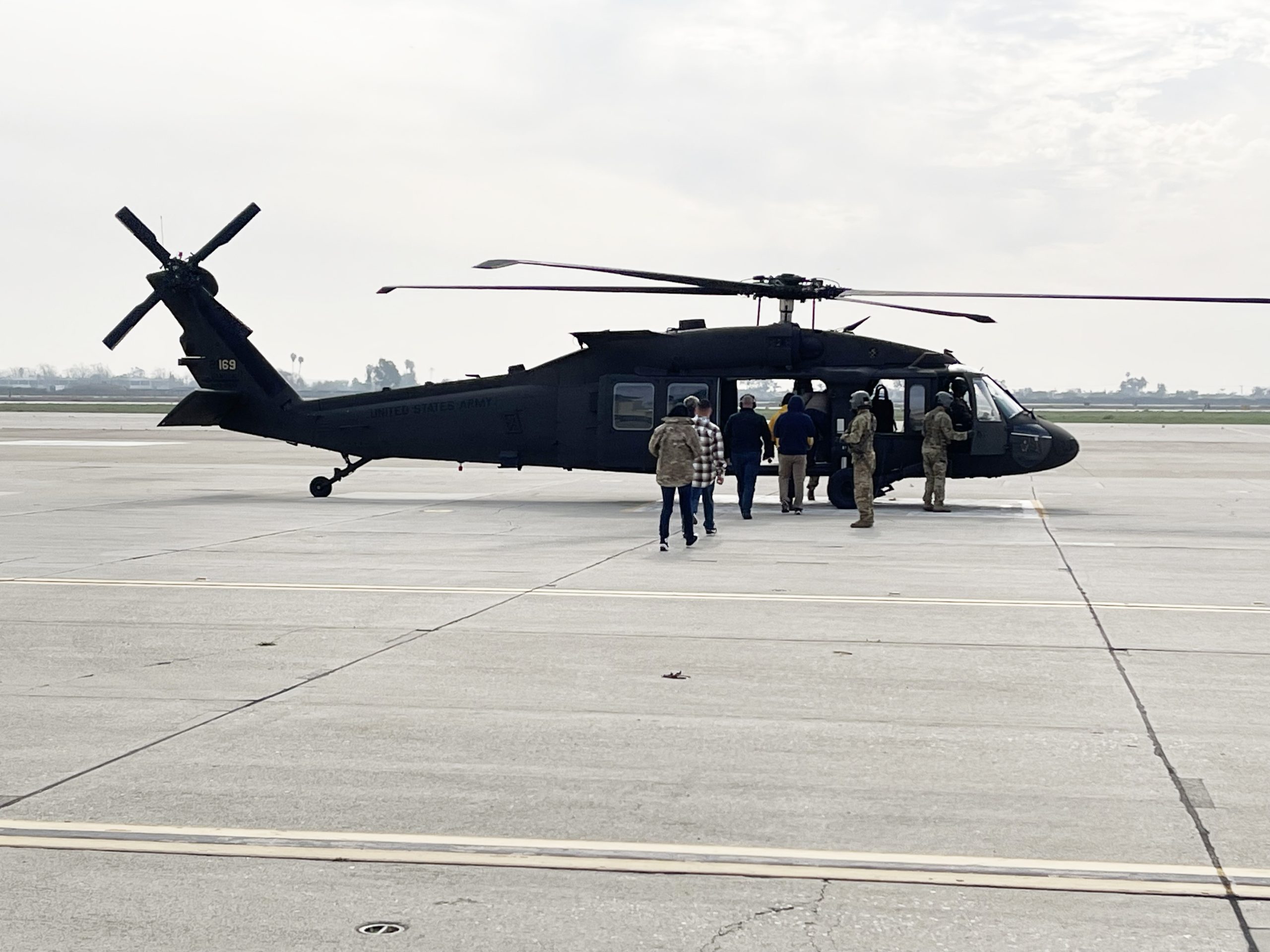
Area members of Congress are apparently concerned enough about a recent near-miss regarding a Black Hawk helicopter that they have asked the Secretary of the U.S. Department of Transportation for an “in-person” meeting to discuss the investigation.
Area members of Congress including Dave Min, Derek T. Tran, J. Luis Correra, Mike Levin and Linda T. Sanchez signed a joint Congressional letter this past week seeking a meeting to discuss the incident, which occurred over the Southern California skies on March 24.
“As members of Orange County’s congressional delegation, we write to express serious concerns about a recent near-miss incident involving a U.S. Army Black Hawk helicopter and a United Airlines Boeing 737 approaching John Wayne Airport,” the letter said.
“We support the Federal Aviation Administration’s (FAA) decision to investigate this incident and request a timely member-level briefing to ensure that our congressional delegation and constituents have full confidence in the safety protocols governing our regional airspace,” it continued.
The Members of Congress expressed “serious concerns” over the recent near-miss incident “between a California National Guard Black Hawk helicopter and a commercial passenger aircraft approaching John Wayne Airport.”
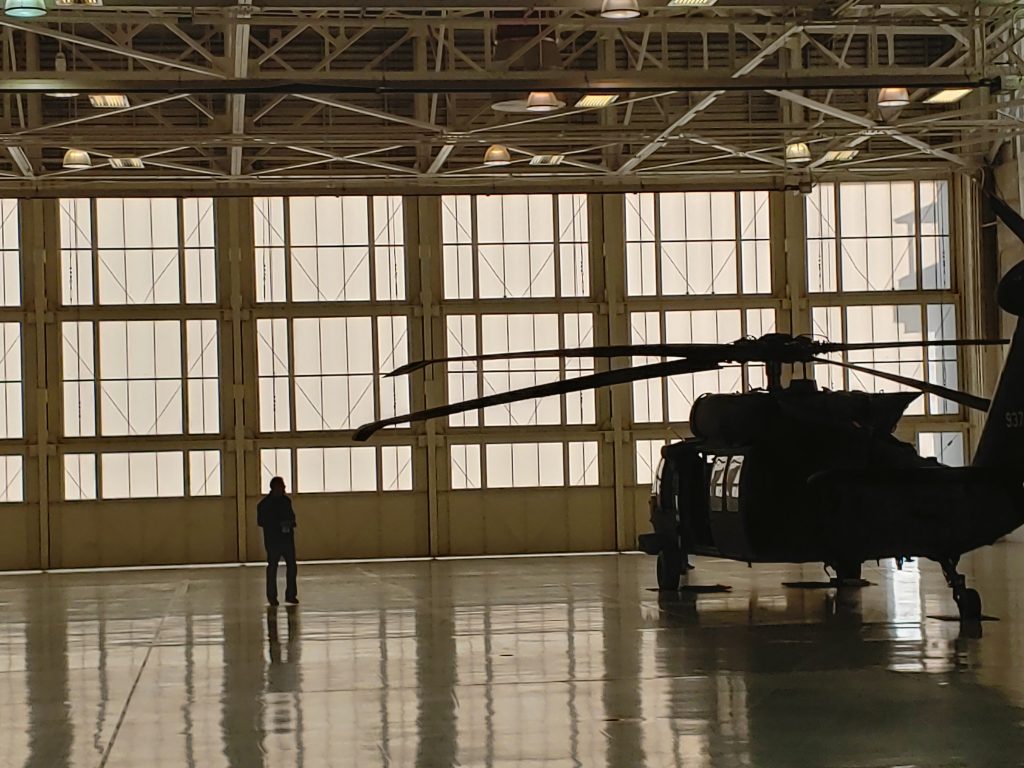
The members requested a briefing from the U.S. Department of Transportation and the Federal Aviation Administration about the ongoing investigation.
On that date, a California National Guard Black Hawk entered the flight path of a United Airlines Boeing 737 on final approach to John Wayne Airport. The commercial aircraft was forced to halt its descent and level off to avoid a collision, passing within approximately 500 feet of the helicopter.
In the letter, members say millions of SoCal residents would be at risk in the event of a crash so they want a personal meeting with Federal Aviation Administration administrators to learn more about safety procedures.
“John Wayne Airport is one of the busiest airports in the country, serving one of the most densely populated regions in America. The surrounding communities are home to millions of residents who would be directly at risk in the event of a crash, in addition to the tens of thousands of passengers flying through this airspace every day,” wrote the members, according to a letter they released.
“Every traveler and every person living beneath these flight paths deserves to feel safe, which is why the coordination of military and civilian flight operations in this region must be managed with the highest standards of safety, precision, and communication.”
Representative Tran’s district is home to Joint Forces Training Base in Los Al, the base from which the Black Hawk flight originated.
The letter also requested clarification on whether recently adopted FAA procedures governing visual separation between aircraft and helicopters were in effect at the time of the incident. This measure was adopted in response to the tragic January 2025 crash near Ronald Reagan Washington National Airport that killed 67 people.
The members requested an in-person or virtual briefing within 60 days, including updates on the FAA’s investigation, preliminary findings, and any corrective measures under consideration.
In addition, Rep. Tran is an original co-sponsor of H.R. 7613, the ALERT Act, which aims to reduce collision risk by strengthening aviation safety and transparency requirements in U.S. airspace operations. The ALERT Act passed the House by a vote of 396-10.
“We request an in-person or virtual briefing no later than 60 days after receipt of this letter, providing an update of the FAA’s investigation into the incident, along with any preliminary findings or updates on corrective measures undertaken,” they concluded.
“Thank you for your attention to this serious matter.”